Skinheads
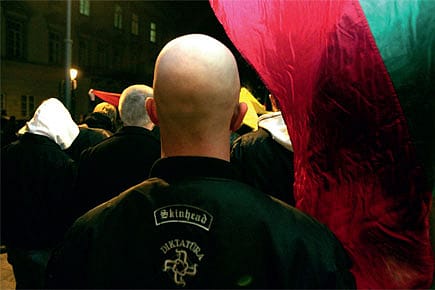
Post 9/11, racist skinhead chapters have been rising in the US
Wade Michael Page, the man who killed six people at a Wisconsin gurudwara, was a former soldier who was part of a White power skinhead band End Apathy. According to an interview he had given to a White supremacist website, he started the band to "figure out how to end people's apathetic ways and start moving forward".
The skinhead subculture, which originated in the 1960s in England among working class youths, was originally apolitical. Early skinheads, who were influenced by the subcultures of West Indian Rude Boys and British Mods, were a lifestyle and fashion choice. They sported shaven heads or close-cropped hair, wore Dr Martens or combat-style boots, flight jackets, jeans and suspenders, and listened to ska, early reggae and soul music.
The skinhead scene almost died out in the early 1970s, but revived later in the decade. This revival in Britain, however, also included a sizeable White nationalist faction. As the 1970s progressed, racially-motivated skinhead violence in the UK became more political, and far-right groups such as the National Front and British Movement saw a rise in White power skinheads among their ranks. The racist subculture spread to North America, Europe and other areas of the world, and started to gain acceptance among other organised hate groups such as the Ku Klux Klan.
Post 9/11, racist skinhead chapters have been increasing in numbers in the US, with large numbers of hate crimes being reported of them. Page, for instance, had '9/11' tattooed on his arm. Others like Norwegian Anders Behring Breivik, who gunned down 77 youths attending a Labour party camp, did not identify themselves as skinheads, but their motives—of overthrowing a multicultural society—remained the same.

Exclusive: To the Heavens and Back
19 Jun 2026 - Vol 04 | Issue 76
Shubhanshu Shukla relives the space odyssey that put India into orbit