WHERE IN THE WORLD IS MY DIET COKE?
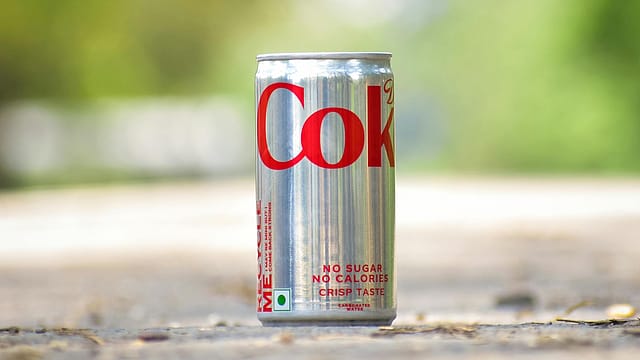
Somewhere in India right now, a person is refreshing Blinkit or Zepto for the seventeenth time today. The result is the same: Out of stock. It has been that way since mid-April. The silver can — the diet-cola lifeline of India's urban millennial and Gen Z population — has vanished from shelves in Bangalore, Mumbai, and Ahmedabad, sending its loyal fanbase into collective mourning.
Quick-commerce apps showed it unavailable. Supermarkets said it was gone. Convenience stores shrugged. One Reddit user from Bangalore reported walking into a bar — "underage, by their own admission" — and the bar was out too. Their final, haunted question: "Like is the Diet Coke ka ship stuck in Strait of Hormuz or what?"
Zeroing In on ECI
09 Oct 2026 - Vol 05 | Issue 41
Constitutional legitimacy versus political opportunism
SUSPECTS: A THOROUGH INVESTIGATION
With shelf space empty and hot takes incoming, the internet convened its own inquiry. Several theories emerged with great confidence and varying degrees of accuracy.
Theory one: Instagram creators hoarding empty cans for DIY craft projects disrupted the aluminium recycling cycle. Creative. Chaotic. Completely unverifiable. Acquitted.
Theory two: a ship stuck in the Strait of Hormuz. Beautiful poetry. Also acquitted.
The real culprit is considerably more boring than either: aluminium. According to metal market analysts, aluminium supply came under serious pressure heading into April 2026, with prices rising roughly 14–20% in recent weeks due to geopolitical disruption, production outages, and reduced imports. Domestic mills are stretched thin. Lead times are longer. The cans are simply hard to source.
The product exists. The factories are running. There are just not enough cans to put it in.
As marketer Samiksha Bhatt explained on LinkedIn: there is an actual shortage of aluminium cans in the supply chain. Demand for canned beverages has gone up, but production has not kept pace, and regulatory factors have slowed things down further.
WHY DOES THIS FEEL LIKE A NATIONAL EMERGENCY?
In fairness, this is a localised supply hiccup, not a national catastrophe. But context matters: Diet Coke sales in India actually doubled last year, as low-sugar beverages surged to represent 30% of Coca-Cola India's total volumes in 2025 — up from just 5% in 2020. The fanbase is real, large, and very online.
Psychologists call it the "availability heuristic": the more you see something discussed, the more widespread it seems. A few Reels about empty shelves became "it's everywhere." A handful of out-of-stock notifications became "it's completely gone." Creator Viraj Ghelani posted a video of himself walking with hands chained, a friend on a scooty offering him inferior alternatives, captioned: "Yeh shortage kab khattam hoga? Khaana nai uttar raha hai!" The comments were full of people who related deeply.
Social media took a genuine two-city stockout and turned it into a personality crisis for an entire generation.
IS THIS A SNEAKY MARKETING STUNT?
Some have floated the idea. An empty shelf plus a few creator posts generates more brand conversation than any paid campaign budget could guarantee. Coca-Cola, for their part, has previously stated that supply chain challenges in some regions are real, and that they are working with suppliers to address them. The company said: "We're working closely with our customers and our suppliers to ensure product availability."
THE VERDICT
A real, localised supply chain issue caused by the global aluminium crunch — not a hoarder, not a ship, not a craft influencer. Social media took a genuine two-city stockout and turned it into a personality crisis for an entire generation. The Diet Coke will return. We will heal.
No Diet Cokes were harmed in the making of this article. Several were, however, desperately sought.