Where Did All the Diet Coke Go? India's Most Unexpected 2026 Shortage, Explained
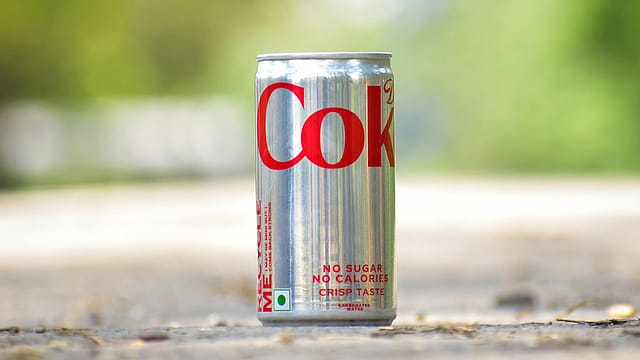
Somewhere between a Blinkit refresh and friends texting that they found two cans at a random store, a quiet realisation has set in: something is genuinely off.
Since mid-April 2026, Diet Coke has been missing from supermarkets, general stores, and quick-commerce apps across major Indian cities. What started as a few “out of stock” labels has become a full-blown cultural moment, complete with Instagram reels, Reddit tracking threads, and a lot of very stressed office workers.
Is Diet Coke Actually Out of Stock, or Does It Just Feel That Way?
Both, and that distinction matters. Cities like Bengaluru, Mumbai, and Ahmedabad have seen genuine supply gaps since mid-April, with Blinkit, Swiggy Instamart, and Zepto all showing the product as unavailable. Reddit users have reportedly documented empty shelves across multiple Bengaluru neighbourhoods. The shortage is real, but social media has made it feel considerably larger.

Zeroing In on ECI
09 Oct 2026 - Vol 05 | Issue 41
Constitutional legitimacy versus political opportunism
Why Are the Shelves Empty?
The most credible explanation points to an aluminium can shortage. According to marketer Samiksha Bhatt, who addressed this on LinkedIn, demand for canned beverages has risen sharply, but production capacity and raw material supply have not kept pace. The product exists. The packaging does not.
The liquid is still being brewed in Pune, but the metal to hold it is stuck in the Middle East. The Strait of Hormuz closure has paralyzed aluminum exports, driving prices to $3,500/tonne. This "packaging wall" has forced Blinkit to limit orders to four cans to combat hoarding.
What Does the Global Aluminium Market Have to Do With Diet Coke?
According to metal market intelligence firm Ryerson Holding Corporation, aluminium supply has come under significant pressure heading into April 2026, with prices rising roughly 14 to 20 per cent in recent weeks, driven by geopolitical disruption, production outages, and steady demand.
What Has Coca-Cola Said?
The Coca-Cola Company has previously acknowledged that increased at-home consumption, combined with aluminium and ingredient shortages, has affected supply chains in certain regions, and says it is working with customers and suppliers to ensure availability.
Why Did a Soft Drink Shortage Become a Social Media Event?
Because Diet Coke is not just a soft drink in urban India. For many millennials and Gen Z professionals, it is a daily ritual, what one writer described as "a non-smoker's cigarette." Bhatt reportedly attributes the scale of the panic to the availability heuristic: a few reels became a national conversation, and a localised shortage became, briefly, an urban emergency.
When Will It Be Back?
No official timeline has been confirmed. Given that the disruption is tied to broader commodity market conditions, restocking is likely to be gradual. Until then, the Blinkit refreshes continue.
(With inputs from yMedia)