When Macho Meets Pynk: Can Lux Cozi Pull This Off?
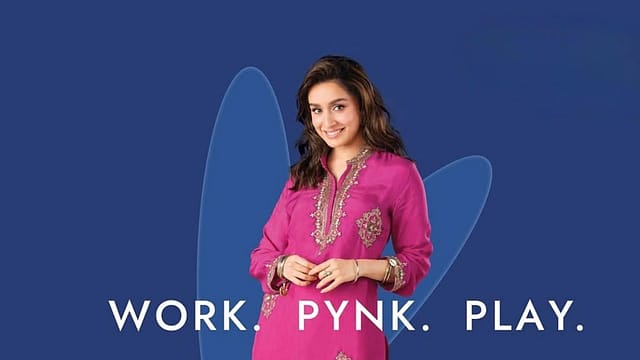
For decades, Lux Cozi has been that no-nonsense guy in the room. Dependable. Loud. Uncomplicated.
The brand you associate with men’s innerwear, movie stars flexing biceps, and a certain alpha energy that doesn’t whisper but announces.
So, when Lux Cozi showed up with a women’s apparel brand called Pynk, eyebrows were raised. Why? Not because Lux entered women’s wear. That’s, anyway, a textbook FMCG expansion.
The problem was that Pynk didn’t arrive quietly. It arrived with its parent in tow. And that’s where things get, well, interesting.
On paper, Pynk makes perfect sense. Women’s apparel offers higher purchase frequency, broader wardrobe needs, and stronger repeat cycles. Lux itself calls it a ‘holistic brand’ play, which is less about discovery and more about completing the portfolio. The math makes sense: more racks, more SKUs, and fewer off-seasons.
But branding is not Excel. It’s vibes. And Lux Cozi’s vibe has historically been—how do we put this gently—unapologetically male.
Why Jockey Can, But Lux Makes You Pause
Yes, other brands do gender extensions beautifully.
Jockey works because it sells performance, not masculinity. Ditto for Nivea because skin as they have different shelves for men and women.
Lux Cozi, however, didn’t grow up talking about emotions, softness, or personal expression. Its innerwear universe was practical, mass, functional. Buy. Wear. Repeat. That clarity made Lux Cozi famous.
So, what happens when brands get into a different gender? Harish Bijoor explains. “Brands do carry gender,” says Bijoor, who runs an eponymous brand consulting firm. He adds that when a brand has invested decades and crores in being distinctly male, switching the lens isn’t as easy as changing the colour palette. And this especially becomes an issue in intimate categories.

India's Action Hero
27 Mar 2026 - Vol 04 | Issue 64
Riding the Dhurandhar Wave
Enter Pynk, Wearing Familiar Shoes
Pynk launched in 2025 but it didn’t cut the cord. It carried the Lux lineage, the distribution muscle, the retailer confidence, the pricing power.
Pros? Plenty. Cons? Also plenty. Why? Because consumers don’t meet Pynk in a vacuum. They meet it with Lux Cozi’s memory in the room.
And memory, in branding, is stubborn.
Celebrity glamour, at best, can open doors but not rewrite history. Lux knows the power of star wattage. Its annual report proudly reminds us that few innerwear brands have played the celebrity game better.
On the women’s side, Pynk came armed with Taapsee Pannu, Parineeti Chopra, Janhvi Kapoor and Shraddha Kapoor. Visibility? Check. Familiarity? Check. But here’s the thing: celebrities can introduce a brand but they can’t grant it emotional permission. That takes time and consistency.
The Real Risk Isn’t Entry. It’s Inheritance.
Lux’s challenge isn’t selling women’s apparel. It’s selling women’s apparel without asking consumers to mentally reconcile a macho past.
Women’s wear operates on a different emotional contract: comfort, trust and self-identification. New-age women-first brands benefit from a clean slate. Lux doesn’t have that luxury. It’s asking consumers to believe two things at once. First, Lux Cozi is still Lux Cozi. Second, Pynk is something else entirely. That’s not impossible. But it is tricky.
Financially, Lux is doing just fine. FY24 revenues crossed ₹2,500 crore, with Pynk and other sub-brands adding breadth and balance. So yes, the strategy is working for now.
Branding, however, isn’t judged quarterly. It’s judged over years, and at times, decades. And that’s the real question Pynk raises. Not whether Lux can scale into women’s apparel, but whether a brand built on masculinity can stretch across gender without diluting the very equity that made it powerful. The jury is still out. For now, Pynk, for all its promise, is still negotiating with its parent.