The 10-Minute Promise Is Gone! Now What Do Quick Commerce Brands Sell?
It was a perfect 10. A report card that reads 10 out of 10 needed no explanation. Life arrived before you could even count to ten—for buyers, sellers, and the riders racing the clock. That was the promise. That was the pitch. That was how quick commerce introduced itself to India. This was never about being good. It was about being extra. Not 100%, but 110%. That bonus ten shaved minutes, killed friction, and made everyday panic feel optional.
Ten minutes wasn’t just a delivery time. It was the hook. The reason you downloaded the app. The line you remembered without trying. Blinkit. Zepto. Swiggy Instamart…all leaned into it because branding knows one eternal truth: numbers stick.
And ten stuck hard.
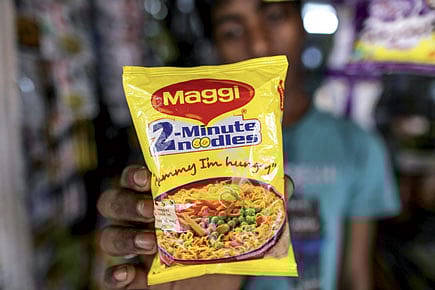
We’ve seen this playbook before. Maggi didn’t need to explain itself. “2-minute noodles” said everything. Domino’s “30 minutes or free” turned a pizza chain into a speed benchmark, even for people who never claimed a free pizza. The number simplifies the brand in your head.
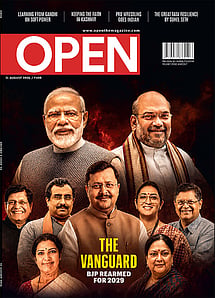
The Vanguard
21 Aug 2026 - Vol 05 | Issue 34
BJP Rearmed for 2029
Quick commerce borrowed from the same logic. Ten minutes came to mean convenience, efficiency and a bit of bravado.
Now, that number is being quietly rolled back.
Following sustained interventions by Union Labour Minister Mansukh Mandaviya, major delivery platforms have begun removing the mandatory 10-minute delivery deadline from their branding. Blinkit has already moved, changing its principal tagline from “10,000+ products delivered in 10 minutes” to “30,000+ products delivered at your doorstep”. Other players are expected to follow.
On the surface, this is about worker safety and delivery pressure. But from a branding point of view, it’s also about losing a shortcut. Because timelines don’t just promise service, they create memory.
“When a brand drops a long-held tag, it’s essentially resetting its identity,” says Shubham Gune, brand strategist and founder of Hinglish, a brand consulting and advertising firm. Names exist, but tags are what fix perception in people’s minds. In Blinkit’s case, h underlines, letting go of the 10-minute delivery promise is for the larger good. “Removing it gives Blinkit the freedom to evolve beyond speed and build a more responsible, long-term identity,” he reckons.
The problem is that speed was doing most of the talking.
Once the number disappears, brands have to work harder to explain themselves. “Delivered at your doorstep” is safe, but also interchangeable. Every delivery app can say it. Ten minutes made quick commerce feel distinct from regular e-commerce.
At the same time, the shine had started to fade. By the time concerns around gig worker pressure reached the Parliament, 10-minute delivery had already become routine for many users. Orders arrived quickly. The surprise element was gone. What lingered was the question of what that pace meant for delivery partners.
For operators, the change also forces a rethink of how speed is actually delivered. Rakesh Raghuvanshi, founder of Sekel Tech, points out that sustainable quick delivery doesn’t come from pushing riders harder, but from fixing the system behind them. Better demand forecasting, smarter inventory placement closer to consumers and more realistic, route-optimised task planning allow speed to coexist with worker dignity rather than compete with it, says the CEO of the hyperlocal discovery and omni-commerce SaaS solutions provider.
This is where the Domino’s comparison fits neatly. The brand eventually softened its famous “30 minutes or free” promise in several markets because it encouraged unsafe driving. But Domino’s didn’t stop being fast. It simply stopped advertising the number.
Quick commerce seems to be heading down the same road.
Blinkit’s pivot towards talking about its product range hints at what comes next: less stopwatch, more substance. Other players may highlight reliability, availability, pricing or depth of assortment. Speed will still matter, just without being centre stage.
As Gune puts it, dropping the tag gives the brand room to move. The challenge now is finding the next idea that sticks just as easily as ‘10 minutes’ once did. With ‘quick’ gone, what would they pick?