Strait of Hormuz Shut: Tanker War of 2026 Disrupts Global Oil and LNG Trade
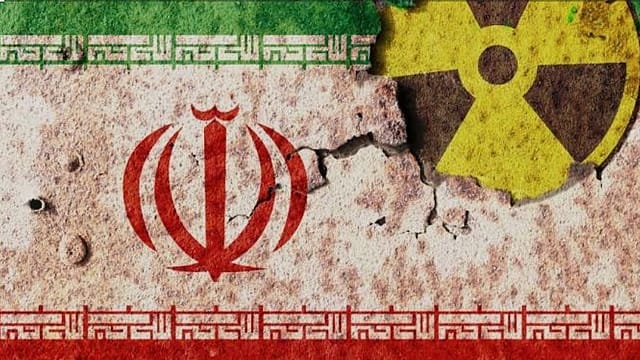
The US-Israel coalition’s intensifying war with Iran, marked by Operation Epic Fury, has triggered the Tanker War of 2026 -- the gravest maritime trade disruption since World War II. Western-flagged vessels now shun key chokepoints, forcing radical rerouting and skyrocketing costs across the shipping industry.
Here’s a deeper insight.
What Sparked the Tanker War of 2026?
The Tanker War erupted as Operation Epic Fury targeted Iranian assets, prompting retaliatory strikes on shipping lanes. Reportedly, Iran mined the Strait of Hormuz and deployed drone swarms, declaring it a no-go zone for Western ships by early March 2026.
Why Is the Strait of Hormuz Closed to Western Vessels?
A significant portion of global liquefied natural gas and oil flows through this vital waterway. Iranian threats have made it inaccessible, halting energy exports from the Persian Gulf and reshaping maritime trade patterns overnight.

Zeroing In on ECI
09 Oct 2026 - Vol 05 | Issue 41
Constitutional legitimacy versus political opportunism
How Are Ships Dodging the Danger Zone?
Major lines like Maersk and MSC reroute around Africa’s Cape of Good Hope, evading Red Sea minefields and Gulf of Oman drones. This detour adds 10 to 14 days to Asia-Europe voyages and boosts fuel use by nearly 40%.
What’s Driving Skyrocketing Insurance Costs?
War-risk premiums for Middle East operations have surged over 1,000%, according to industry reports. Underwriters refuse coverage for Eastern Mediterranean or Northern Indian Ocean routes, sidelining vessels and inflating shipping industry expenses.
Major maritime insurers (including Gard, Skuld, and the London P&I Club) have formally cancelled war-risk cover for the Persian Gulf and Strait of Hormuz.
How Is This Causing Global Supply Chain Chaos?
Delays create a bullwhip effect at hubs like Rotterdam and Singapore. European factories face raw material shortages, while empty containers pile up in mismatched regions, sparking a worldwide equipment crunch in maritime trade.
Why Have Freight Rates Tripled So Quickly?
Shipping a 40-foot container from Shanghai to Genoa now costs three times more since Operation Epic Fury began. These hikes pass straight to consumers, fueling inflation in electronics and dry goods amid the shipping industry squeeze.
What Are “Dark Fleets” and Their Risks?
Iran and proxies rely on shadowy “dark fleets” - aging tankers that disable transponders for covert ship-to-ship oil transfers, bypassing sanctions and blockades. This raises oil spill and accident dangers in contested waters.
How Is the Shipping Industry Fighting Back with Tech?
Companies retrofit vessels with AI-driven electronic warfare suites and drone-jamming defenses. This militarization of commercial shipping marks a pivotal shift, enabling survival through Operation Epic Fury’s perils.
Will This Disruption Last Indefinitely?
Experts predict prolonged effects until the Strait of Hormuz reopens, with ongoing diversions straining the shipping industry. According to maritime analysts, full recovery could take months, prolonging pain for global maritime trade.
The fallout from Operation Epic Fury underscores shipping’s vulnerability to geopolitics. As the US-Israel-Iran standoff persists, businesses and consumers brace for sustained turbulence.
(With inputs from yMedia)