Besides Oil, The Hormuz Closure is Quietly Choking the World's Food, Medicine & Tech Supply Chains
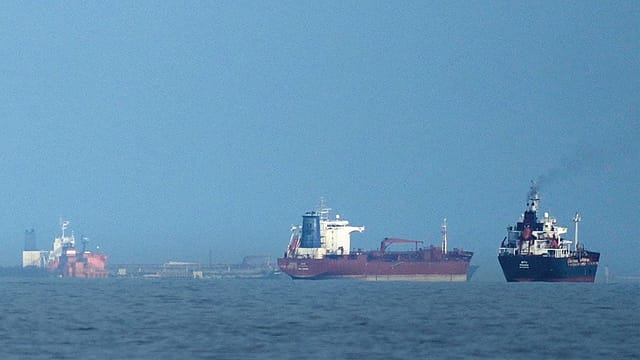
From fertilisers feeding billions to helium cooling hospital MRI machines, the Strait of Hormuz is far more than an oil highway - and its disruption is sending shockwaves through supply chains that most people have never thought twice about.
According to BBC Verify, the number of ships passing through it has dropped from well over 100 a day before the West Asian war to just a handful.
Here’s what that means for the rest of the world.
What Is the Strait of Hormuz?
It is a narrow waterway around 33 kilometres connecting the Persian Gulf to the Gulf of Oman, and is the world's most critical maritime chokepoint.

Zeroing In on ECI
09 Oct 2026 - Vol 05 | Issue 41
Constitutional legitimacy versus political opportunism
Gulf nations - Saudi Arabia, Qatar, the UAE, Kuwait, Oman and Bahrain - rely almost exclusively on it to export goods to global markets.
Is the Food on Your Plate at Risk?
Yes. According to the UN, around a third of the world's fertilisers - urea, potash, ammonia and phosphates - normally pass through the Strait of Hormuz.
The timing of this Hormuz closure is particularly damaging, as March and April are the northern hemisphere's planting season.
Reportedly, researchers at the Kiel Institute warn that even a brief closure could disrupt an entire growing season, with consequences persisting long after the strait reopens.
How Much Could Food Prices Rise?
Kiel Institute estimates suggest a full closure could push global wheat prices up by 4.2% and fruit and vegetable prices by 5.2%.
The worst-hit countries would reportedly be Zambia at 31%, Sri Lanka at 15%, Taiwan at 12% and Pakistan at 11%.
What Does This Have to Do With Your Smartphone?
Qatar's Ras Laffan plant, which reportedly supplies a third of global helium shipments, has shut down following missile strikes, with repairs expected to take three to five years.
Helium is essential for manufacturing semiconductor wafers - the foundation of every microchip in your phone, laptop and car.
Could Hospital Equipment Be Affected Too?
Helium also cools MRI scanner magnets. Each machine requires 1,500 to 2,000 litres of helium, with small amounts evaporating after every scan.
Prolonged shortages could drive up MRI costs globally, according to health policy analysts.
Will Medicine Prices Rise?
Potentially. Gulf nations account for an estimated 6% of global petrochemical production capacity, supplying raw materials for painkillers, antibiotics and vaccines.
India, which reportedly produces a fifth of the world's generic pharmaceutical exports, depends significantly on these inputs.
What About Batteries and Electric Vehicles?
Reportedly, around half of the global seaborne sulphur trade passes through the Strait of Hormuz.
Sulphur is critical for processing lithium, copper and cobalt - all essential for battery production - meaning the Hormuz closure could quietly raise prices on everything from EVs to household appliances.
What Happens if the Strait Stays Blocked?
The longer this crucial export crisis persists, the more deeply it will embed itself into global prices. Agricultural seasons will be missed, semiconductor supply chains will tighten and medicine costs will rise.
The West Asian war is now an economic disruption reshaping everyday life across the world, flowing through a waterway barely 33 kilometres wide at its narrowest point.
(With inputs from yMedia)