ChatGPT Ads, Beauty Brands and Trust: How Mamaearth and Sebamed Are Testing AI Conversations in India
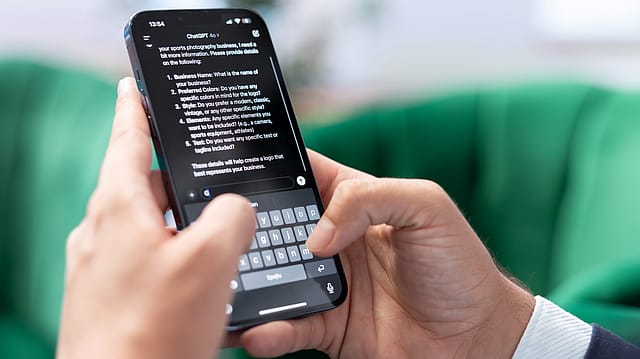
Imagine asking ChatGPT a question once whispered to a dermatologist or typed into Google at 1 am.
Why is my face oily and dry at the same time?
The chatbot explains the skin barrier, climate, cleansing habits and the possibility that an aggressive routine is making matters worse. Then, beneath the answer, a clearly labelled advertisement for a facial cleanser appears.
Try another question.
Is “natural” skincare always safer?
The answer may be less romantic than the packaging. Natural ingredients can irritate; synthetic ingredients are not automatically harmful. And then, perhaps, a “Sponsored” card from a brand built around goodness.
This is only a hypothetical screen. But the advertising contest producing it is real.
The Modi Years
02 Oct 2026 - Vol 05 | Issue 40
A Nation Rebuilt
ChatGPT opened its advertising test to India on August 27. On September 2, Mamaearth said it had become the first Indian brand to advertise on the platform, through a partnership involving Honasa Consumer and Criteo. Six days later, Sebamed announced a WPP Media activation for its Gentle Facial Cleanser around conversations involving oily skin, cleansing, dryness and “skin health”.
Mamaearth carries goodness, nature, toxin-free memory and the intimacy of the influencer's bathroom shelf. Sebamed carries dermatological authority, laboratory language and the famous pH 5.5 number it once used to attack India's biggest soaps.
Nature and science have now found the same landlord.
FROM THE MIRROR TO THE PROMPT
Beauty advertising has traditionally written the consumer's insecurity before selling its cure. It enlarged the pore, darkened the spot, frizzed the hair, staged the embarrassment and then placed the product in the heroine's hand. The brand diagnosed the problem because the brand controlled the script.
Conversational AI rearranges the scene.
The consumer writes the insecurity. ChatGPT supplies an explanation. The brand supplies the bottle.
That shift is larger than a new media placement. The ad no longer has to interrupt someone with a manufactured problem. It can wait until she describes the problem herself, in her own words and with a degree of detail she may never offer an advertising platform voluntarily.
Google sold the keyword. Instagram sold the aspiration. ChatGPT is selling the question.
And a question about skin is rarely just a search query. It can contain embarrassment, failed remedies, allergies, age and the fear that something visible says something ugly about the self. The prompt can be more confessional than the bathroom mirror.
That is why beauty has raced towards conversational advertising. The category lives on uncertainty. A cleanser is simple; the oily-yet-dry face is not. A serum promises clarity precisely when the consumer has none.
The old beauty counter had a salesperson. The new one has a machine capable of explaining the concern before displaying the merchandise.
GOODNESS MEETS PH 5.5
Mamaearth and Sebamed are not simply two early advertisers. They are two competing languages of trust.
Mamaearth made “goodness” contemporary and shareable. Nature arrived in pastel packaging, influencer routines and ingredient-forward product names. The bathroom cabinet felt cleaner, kinder and less chemically menacing.
Sebamed took the opposite route. In 2021, it entered Indian living rooms with the line, “Filmstars ki nahin, science ki suno.” Its comparative campaign named category leaders, displayed pH values and made 5.5 behave like a verdict. Celebrity glow was suspect. A number in a white coat would tell the truth.
One brand popularised the moral comfort of nature. The other weaponised the authority of science. Both now want to appear beside an answer generated by a system consumers increasingly consult to test claims from both camps.
That is the delicious reversal.
Mamaearth once borrowed the influencer's bathroom. Sebamed borrowed the scientist's laboratory. Both now want a place in the chatbot's consultation room. Yet neither controls what the consultant says.
THE FIRST MEDIA OWNER THAT CAN ANSWER BACK
OpenAI says advertisements are clearly labelled, visually separated from organic responses and unable to influence ChatGPT's answers. Advertisers do not receive users' private conversations.
That separation is the platform's promise. It is also the source of the creative tension.
A magazine can carry a “natural” skincare advertisement without printing a rebuttal on the facing page. An influencer can hold a bottle near her cheek and preserve the claim's desired atmosphere.
ChatGPT can do something awkward immediately before the ad appears: answer the user's actual question.
Ask whether natural automatically means safe and the answer may dismantle the halo of naturalness. Ask whether pH 5.5 guarantees the right cleanser and the answer may explain that skin type, surfactants, fragrance, formulation and individual response also matter. The advertisement can purchase proximity to that answer. It cannot purchase obedience from it.
ChatGPT may therefore become advertising's first major media owner with the capacity to challenge the advertiser's premise in the same conversational breath: “It is more complicated than the brand makes it sound.” Then it can show the brand.
The most valuable surface may also be the least obedient.
SPONSORED IS CLEAR. PRESCRIBED IS A FEELING
“Sponsored” is a necessary visual border between explanation and commercial message. But disclosure solves only the formal question—was this identified as advertising?—not the psychological one: what did the placement feel like?
A relevant product appearing immediately beneath a detailed answer can inherit something from the answer even when the machine never recommends it. The product arrives at the exact moment the consumer feels understood. Its presence can resemble a prescription because of sequencing, not wording.
The label says sponsored. The conversation may still feel prescribed.
“Beauty advertising has always monetised insecurity, but conversational AI changes who articulates that insecurity," says Ashita Aggarwal, professor of marketing at SPJIMR. The consumer now describes the concern in her own words, the machine explains it and the brand appears immediately afterwards. Even with clear disclosure, that sequence can make contextual relevance feel like recommendation.
Mamaearth and Sebamed represent two established languages of trust—nature and science. Their arrival on the same platform suggests brands are no longer satisfied with merely making a claim. They want to stand close to the source consumers increasingly consult to evaluate that claim. "The real test will be whether people distinguish being present beside an answer from being endorsed by it,” adds Aggarwal.
This is the distinction on which the format will live or die. A brand does not need ChatGPT to say, “Buy this,” if consumers remember that ChatGPT somehow led them to it.
The answer can remain incorruptible while the afterglow remains commercially useful.
WHERE DOES SKINCARE END AND HEALTH BEGIN?
Sebamed's activation sharpens another problem. The campaign reportedly includes conversations around “skin health”. OpenAI says ads are ineligible near sensitive or regulated subjects such as health and mental health.
The policy sounds clear until a real face enters the prompt.
Is oily skin a grooming concern? Usually. Is acne health? Sometimes. What happens when a user begins with a cleanser and ends by describing a rash, medication or diagnosed condition?
Conversational interfaces do not respect category borders as neatly as a media plan. A search can be purchased against a phrase. A conversation evolves. The first prompt may belong to beauty; the fourth may require a doctor.
The same day Sebamed's experiment was publicised, ARM Worldwide said it was building ChatGPT Ads into strategies spanning healthcare, finance, education and other categories. That is not evidence prohibited placements are being served. It shows advertisers assembling at the gate where the platform's boundaries will matter most.
The question is no longer merely which brand appears after which prompt. It is when the commercial conversation must stop because the human conversation has become too sensitive to monetise.
CLAUDE SELLS THE EMPTY CHAIR
There is already a rival answer.
In February, Anthropic used a Super Bowl campaign to mock AI assistants that suddenly slip sales pitches into useful conversations. Its declaration was brutally clean: “Ads are coming to AI. But not to Claude.” The company later said even separately displayed sponsored links would compromise the kind of relationship it wants Claude to have with users.
This is not a minor product difference. It is a battle over the meaning of trust.
OpenAI's position is that an independent answer and a relevant, clearly separated advertisement can coexist. Anthropic argues that the coexistence itself changes the room. ChatGPT sells relevant adjacency. Claude sells the absence of adjacency.
The beauty campaigns make that philosophical argument wonderfully tangible. If someone discusses a cleanser, perhaps a cleanser ad is useful. If someone discusses her face with unusual vulnerability, perhaps a cleanser ad feels like the moment empathy turned into inventory.
The first Indian campaigns matter beyond their likely clicks. Mamaearth and Sebamed are helping establish the grammar through which people will read commercial speech inside an AI conversation. Will “Sponsored” feel like a search ad, or a shelf beneath a consultation?
Advertising has always trained audiences in new forms. The first banner looked startling; the first influencer endorsement, intimate. Habit converted both into infrastructure. ChatGPT Ads are attempting the most delicate conversion yet: turning a space associated with explanation into a space that can also accommodate persuasion.
SHARE OF ANSWER
After share of voice, search and feed comes the temptation of share of answer: presence at the instant a consumer asks a machine what is wrong and what she should do next.
But the answer itself is not for sale. Only the strip beneath it is.
That constraint may produce better advertising. Brands must earn relevance to a living conversation. Claims that collapse under a basic follow-up will look fragile beside an interface built for follow-up questions.
Mamaearth's goodness can now be queried. Sebamed's science can be cross-examined. The placement does not end the consumer journey; it invites the consumer to interrogate the advertisement without leaving the page.
The ad could become less like a poster and more like an argument that knows the audience can answer back.
For now, however, the visual paradox is enough.
Two beauty brands have reached the newest counter in Indian advertising. One arrives carrying nature. The other arrives carrying science. Above both sits a machine that promises to favour neither.
Google knew what India searched. Instagram knew what India wanted to look like. ChatGPT increasingly knows what India is embarrassed to ask. Mamaearth and Sebamed have discovered that the most valuable beauty counter may be the narrow strip immediately beneath the answer.
The brands can buy that strip. They cannot buy what the answer says.