Will Donald Trump Step In? Pakistan-Afghanistan Conflict Escalates
Rising cross-border strikes, sharp political rhetoric and global reactions have pushed tensions between Pakistan and Afghanistan to one of their most dangerous points in years. Airstrikes on major cities, drone attacks, an “open war” declaration, and diplomatic signals from the United States have transformed a simmering dispute into a fast-moving regional crisis.
Here what happened, what both sides are saying, and where the situation may head next.
What Triggered The Latest Escalation Between Pakistan And Afghanistan?
Tensions escalated dramatically after Pakistan carried out airstrikes on several Afghan cities, including Kabul and Kandahar, amid months of mounting border clashes and accusations of cross-border militancy. Islamabad declared “open war” on Kabul following the strikes, intensifying fears of a wider military confrontation.
In response, Afghanistan’s Ministry of Defence said its air force launched retaliatory strikes at around 11:00 am on Friday (local time) against multiple military targets inside Pakistan. Officials cited by Tolo News said the targets included a military camp near Faizabad in Islamabad, a military headquarters in Nowshera, the military township of Jamrud, and Abbottabad.
According to the Afghan statement, the operation was carried out successfully, targeting important bases, centres, and facilities of the Pakistani army. The Ministry of Defence said the strikes were launched in retaliation for what it called “aerial incursions” by Pakistani military forces.
Spokesperson for Afghanistan's MoD, Enayatullah Khwarazmi, said, "These attacks included a military camp near Faizabad in Islamabad, a military headquarters in Nowshera, a military headquarters in Jamrud, and also in Abbottabad. This air operation was carried out successfully, and key military bases, centres, and facilities of Pakistan were targeted."

The Liberation of Bengal
05 Jun 2026 - Vol 04 | Issue 74
A silent revolution ends the reign of fear
The Chief of Army Staff of the Islamic Emirate of Afghanistan, Fasihuddin Fitrat said, "We assure the Muslim people of Afghanistan that we will never leave any act of aggression unanswered; we will respond to a finger with a fist."
On the Pakistani side, Information Minister Attaullah Tarar said Afghanistan carried out drone attacks on Abbottabad, Swabi and Nowshera. He added that anti-drone systems brought down the drones and that there was no loss of life.
How Did Pakistan Frame Its ‘Open War’ Declaration?
Pakistan’s Defence Minister, Khawaja Asif, issued a strongly worded statement declaring “open war” against Afghanistan and accusing the Taliban-led administration of harbouring militants.
In a post on X, he wrote, "After the withdrawal of NATO forces, it was expected that there would be peace in Afghanistan and that the Taliban would focus on the interests of the Afghan people and peace in the region...They gathered all the terrorists of the world in Afghanistan and began exporting terrorism. They deprived their own people of basic human rights. They snatched away the rights that Islam grants to women."
He added, "Our cup of patience has overflowed. Now it is open war between us and you. Now it will be 'Dama Dam Mast Qalandar'. Pakistan's army did not come from across the seas. We are your neighbours; we know your ins and outs. Allahu Akbar."
Following the drone incidents and border clashes, the Pakistan government announced a nationwide ban on all drone operations. The Ministry of Interior issued a notification enforcing the prohibition on all commercial and privately operated drones across the country.
How Has Afghanistan Responded Politically?
Even as it confirmed retaliatory strikes, Afghanistan signalled openness to dialogue. Kabul said it was open to negotiations after Pakistan carried out airstrikes on several major cities, even as fighting continued along the border and both sides reported significant casualties.
Afghan officials maintained that their strikes were defensive and retaliatory, aimed at military targets rather than civilians. At the same time, the rhetoric from senior Afghan military leaders suggested that any further aggression would be met with force.
What Did United States President Donald Trump Say?
The crisis has drawn attention from the United States, which has longstanding ties with Pakistan and deep historical involvement in Afghanistan.
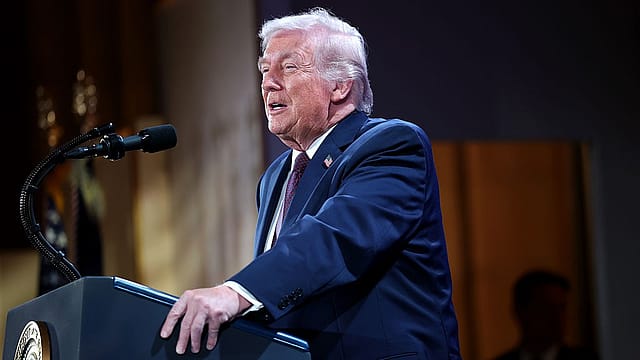
US President Donald Trump said he might consider intervening but emphasised his good relations with Pakistan’s leadership. Speaking to reporters, Trump said, "I would (intervene). But I get along with Pakistan very very well. They have a great Prime Minister, a great General. They have a great leader. Two of the people that I really respect a lot. Pakistan is doing terrifically well."
Meanwhile, US Under Secretary of State for Political Affairs Allison Hooker expressed condolences to Pakistan for lives lost in the conflict and backed Islamabad’s position on self-defence.
In a post on X, she wrote, "Spoke today with Pakistan Foreign Secretary Baloch to express condolences for lives lost in the recent conflict between Pakistan and the Taliban. We continue to monitor the situation closely and express support for Pakistan's right to defend itself against Taliban attacks."
The US Embassy in Pakistan also issued a security alert advising citizens to exercise caution in major cities due to heightened tensions and potential terrorist threats targeting law enforcement, military and commercial sites.
The statement said, "Due to heightened tensions between Afghanistan and Pakistan, Pakistani security forces have increased their presence in major cities in response to potential terrorist threats. Law enforcement facilities, military installations, and major commercial centers remain likely targets for terrorist organizations. The U.S. Mission advises citizens to exercise caution when visiting these locations, particularly during peak hours."
It added, "We remind U.S. citizens to observe good personal security practices, including being aware of your surroundings, avoiding large crowds, and ensuring your STEP registration is up to date."
Is The Conflict Heading Toward A Wider War?
With both sides accusing each other of initiating attacks and retaliating in kind, the risk of miscalculation remains high. Pakistan’s declaration of “open war,” Afghanistan’s retaliatory airstrikes, the nationwide drone ban in Pakistan, and heightened US security advisories all point to a volatile situation.
While Kabul has expressed openness to talks, the language used by leaders on both sides underscores deep mistrust and hardened positions. Whether backchannel diplomacy or international pressure can de-escalate tensions will likely determine if this confrontation remains limited or spirals into a broader regional conflict.
(With inputs from ANI)