India’s UN Vote on Iran: Why India-Iran Friendship Has Survived Past Differences
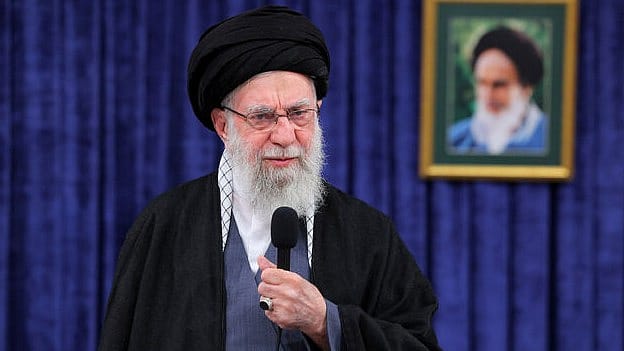
India’s decision to co-sponsor the UN Security Council resolution condemning attacks linked to Iran has renewed scrutiny of India-Iran relations.
The development places New Delhi publicly at odds with Tehran during a volatile regional conflict. Yet the record of India-Iran friendship shows that diplomatic differences have appeared before without fundamentally altering the relationship.
Here are the defining moments that explain why India-Iran friendship has endured.
What Triggered The Current India UN Vote Iran Episode?
The UN Security Council passed Resolution 2817 on March 11, 2026, condemning Iran’s strikes on Gulf states and Jordan. The resolution received 13 votes in favour while China and Russia abstained. The crisis followed Israeli and US airstrikes on Iranian targets on February 28, after which Tehran expanded its retaliation across the region.
Why Did India Support The UNSC Resolution?
India co-sponsored the Bahrain-led resolution as part of its broader support for multilateral diplomacy and regional stability. The India UN vote Iran decision came amid escalating cross-border strikes in the Gulf following the widening regional conflict. At the same time, New Delhi has continued diplomatic engagement with Tehran despite the differences at the United Nations.
Why Has The Vote Sparked Debate About India-Iran Relations?
The resolution has prompted questions about whether the vote signals a shift in India-Iran relations. India has historically tried to balance ties with Iran, Gulf states, and the United States. The India UN vote Iran episode therefore highlights the complexity of New Delhi’s West Asia diplomacy.

Youth Issue 2026
24 Apr 2026 - Vol 04 | Issue 68
50 Portraits of Icons and Achievers
When Did Iran Shield India Over Kashmir?
A notable episode in India-Iran friendship occurred in 1994 when Iran declined to support a Pakistan-backed resolution on Kashmir at the Organisation of Islamic Cooperation. At the time India faced growing diplomatic pressure on the issue. Tehran’s position helped prevent stronger international censure.
When Was India-Iran Friendship Formally Established?
Modern India-Iran relations were institutionalised through the India-Iran Treaty of Friendship signed on March 15, 1950. The agreement established a framework for political, economic and cultural cooperation. In May 2025, both countries marked 75 years of diplomatic ties.
What Strategic Agreements Strengthened the Relationship?
The Tehran Declaration of 2001 and the New Delhi Declaration of 2003 upgraded India-Iran relations to a strategic partnership. These agreements expanded cooperation in energy, regional security and connectivity. They also supported the development of the International North South Transport Corridor.
Why Is Chabahar Port Central To The Partnership?
The Chabahar Port project is the most visible symbol of modern cooperation. In May 2024 India signed a ten-year agreement to operate the Shahid Beheshti terminal. The Chabahar Port provides India access to Afghanistan and Central Asia while bypassing Pakistan.
Why Is The UN Vote Unlikely To Break India-Iran Friendship?
Diplomatic disagreements between the two countries are not new. India voted against Iran at the International Atomic Energy Agency in 2005 over its nuclear programme. Just days before the UNSC session, New Delhi also conveyed condolences after the death of Iran’s Supreme Leader Ayatollah Ali Khamenei, with senior officials engaging Tehran diplomatically.
The current India UN vote Iran episode therefore reflects a familiar pattern in which India-Iran friendship absorbs differences even as political channels remain open.
(With inputs from yMedia)