Waves of Israeli Airstrikes Target Iran; Tehran Hit by Toxic Black Rain
The Israeli military announced that "a short while ago" its forces initiated "a wide-scale wave of strikes targeting infrastructure of the Iranian terror regime in western Iran.”
According to Al Jazeera, the offensive coincides with a sharp rise in medical emergencies, with Israel's Health Ministry reporting that 108 people were admitted to hospitals in the last 24 hours alone.
The ministry noted it does not currently "provide a breakdown of the causes of injuries."
However, The Times of Israel suggested that many of these "might have been sustained by people trying to reach shelter" during sirens, rather than from direct fire.
Look Who's Talking Regime Change
23 Oct 2026 - Vol 05 | Issue 43
Since the war began on 28 February, the ministry stated on X that "until this morning, 3,195 people have been admitted to hospitals," with "81 of whom are currently hospitalised."
In response to persistent threats, Israeli air defences successfully neutralised two separate waves of missiles aimed at southern regions within the last hour.
Reports from Al Jazeera, citing Ynet News, confirmed these interceptions prevented harm to populated areas, while the Home Front Command noted no casualties from these specific incidents.
Simultaneously, sirens were activated across central Israel due to a projectile launched from Lebanon, which was also intercepted.
What Are the Effects of Black Rain on Tehran Residents?
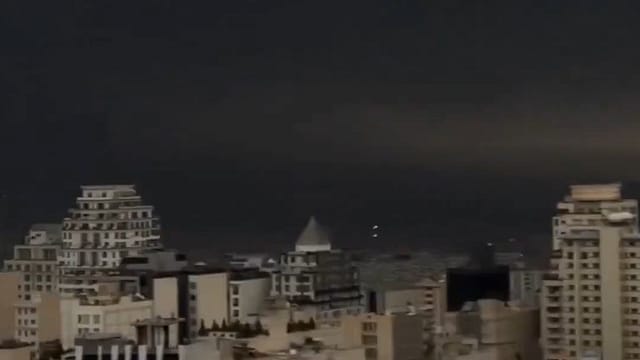
The conflict has triggered environmental and public health concerns as clouds of toxic smoke unleashed by US-Israeli airstrikes on Iranian oil facilities returned to Earth in the form of "black rain."
Residents in Tehran reported burning eyes and difficulty breathing when the dark and oily precipitation fell near the Iranian capital after several fuel oil depots and a refinery were struck.
Plumes of dark smoke have also been seen across other parts of the region over two weeks of war, as Iran retaliates against US-Israeli airstrikes by firing drones and missiles at the oil and natural gas facilities of its Persian Gulf neighbours.
Black Rain occurs when soot, ash, and toxic chemicals combine with water droplets in the atmosphere, then fall back to Earth when it rains.
It is common after oil refineries or oil fields catch fire and can also be caused by wildfires, volcanic eruptions, and industrial pollution.
How Is the WHO Responding to Toxic Air After Strikes on Iranian Oil Facilities?
The World Health Organization warned on Tuesday that the "black rain" and toxic compounds in the air in Iran after strikes on oil facilities could cause respiratory problems, backing Iran’s advisory urging people to remain indoors.
The U.N. health agency, which has an office in Iran and works with authorities on health emergencies, said it has received multiple reports of oil-laden rain this week.
Tehran was choked in black smoke on Monday after an oil refinery was hit, escalating strikes on Iran's domestic energy supplies as part of the US-Israeli campaign.
Microscopic soot, whose particles are about 40 times smaller than the width of a human hair, can lodge deep in the lungs and enter the bloodstream, causing breathing and heart problems that can lead to premature death.
In Iran, the World Health Organisation and the country's health and environmental officials advised people to stay indoors and wear masks.
They warned that the rainfall was highly acidic and could burn the skin and cause lung damage.
Some Iranians fear the polluted rain, which also contains heavy metals, could contaminate drinking-water reservoirs and waterways.
(With inputs from ANI)