UK Braces for Asian Hornet Surge as Heatwave Fuels Ecological Concern
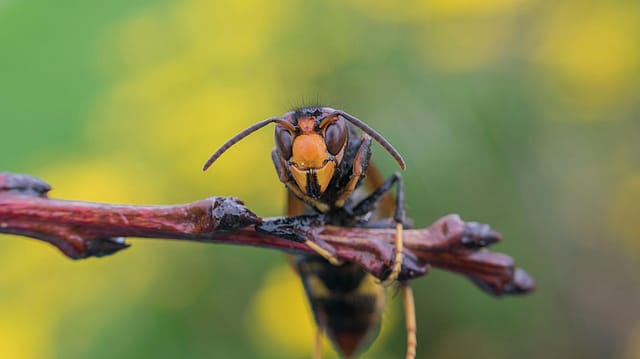
A warming climate is beginning to show its sharper ecological consequences, and the United Kingdom now finds itself confronting one such emerging threat.
Rising temperatures are expected to drive a surge in the population of Asian hornets, a development that experts warn could have serious repercussions for local ecosystems.
According to The Independent, the UK Met Office has projected that 2026 could rank among the hottest years on record, following an unusually warm spring.
This shift in weather patterns is already being linked to a noticeable increase in sightings of the invasive species across England. Experts say the concern is no longer limited to isolated incidents.
“What makes 2026 particularly concerning is the acceleration we’re now seeing in both sightings and geographical spread,” Asian hornets expert Luke Newnes told The Independent.

Zeroing In on ECI
09 Oct 2026 - Vol 05 | Issue 41
Constitutional legitimacy versus political opportunism
Why Are Asian Hornet Sightings Moving Further Inland in the UK?
“We’re no longer talking about isolated coastal incidents. Sightings are appearing much further inland, and many experts now believe the focus has shifted from eradication to long-term management,” he added.
Asian hornets are known to prey heavily on honeybees, which play a crucial role in pollination and plant growth. The species feeds on a range of insects including moths and flies, but honeybees account for roughly a third of its diet.
While the insects are capable of delivering painful stings, their most significant threat lies elsewhere.
Originally native to Southeast Asia, the hornets have expanded their range into Europe, aided by warmer climatic conditions linked to global warming. In the UK, they were first recorded in 2016.
Data from the previous year highlights the scale of the problem, with 544 sightings reported and 161 nests confirmed, more than twice the earlier annual peak.
Why Are Authorities Urging Public Vigilance Against Asian Hornets?
Authorities are urging caution and public cooperation. Newnes advised people to “stay vigilant” and report sightings through the Asian hornet app, which connects users with the National Bee Unit. He also cautioned against attempting to remove nests independently due to the insects’ aggressive behaviour.
In 2024, Professor Nicola Spence, Chief Plant and Bee Health Officer at the Department for Environment, Food and Rural Affairs, emphasised the importance of early reporting.
"By ensuring we are alerted to possible sightings as early as possible, the public can help us take swift and effective action to stamp out the threat posed by Asian hornets.
"While the Asian hornet poses no greater risk to human health than other wasps or hornets, they can damage honey bee colonies and harm other pollinators.
"Please continue to be vigilant for any Asian hornets and if you think you’ve spotted one, report your sighting through the Asian hornet app or online."