The Iran War's Biggest Gamble: Deal, No Deal, or the Strait of Hormuz Goes Dark?
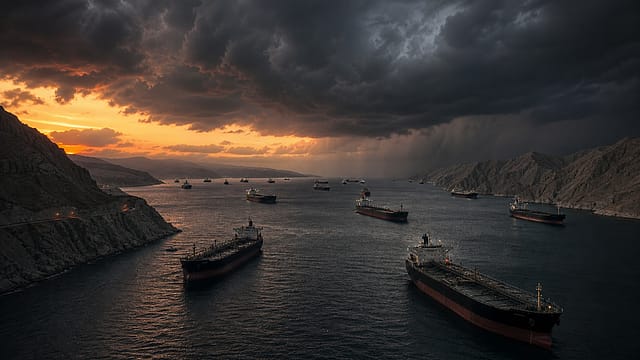
The Strait of Hormuz has become the defining flashpoint of the Iran war.
As Washington prepares to escort stranded vessels through the waterway and Tehran warns that any such move violates the ceasefire, the distance between deal and disaster has never looked narrower.
With diplomacy stalling and naval tensions escalating, the fate of global energy markets, stranded sailors, and a fragile ceasefire may hinge on what happens in the next 72 hours.
What Is "Project Freedom"?
Trump announced a naval operation on Sunday deploying 15,000 personnel, guided-missile destroyers, and over 100 aircraft to guide neutral ships out of the Strait of Hormuz starting Monday.
Rise of the Pivotal Power
18 Sep 2026 - Vol 05 | Issue 38
The BRICS declaration is a strategic victory for Modi
Trump called it a "humanitarian gesture," citing vessels running critically low on food and supplies for crews stranded since the Iran war began in February, BBC reported.
Is Iran Treating This as an Act of War?
According to the BBC, Senior Iranian lawmaker Ebrahim Azizi reportedly warned that any US military intervention in the strait "will be considered a violation of the ceasefire."
The IRGC's intelligence arm reportedly told Trump to choose between "an impossible operation or a bad deal."
What Did Iran's 14-Point Proposal Offer?
Iran's plan proposed a 30-day window to negotiate a permanent end to hostilities, gradually reopen the strait, and end the US naval blockade of Iranian ports.
A later stage floated a reported 15-year freeze on uranium enrichment.
Why Did Trump Reject It?
The fatal flaw was sequencing. Iran wants to end the war first, then open nuclear talks.
Trump reportedly told Israel's Kan broadcaster the plan was "not acceptable," having "studied everything," according to The Times of Israel.
Iran's foreign ministry confirmed that "at this stage, we do not have nuclear negotiations," directly contradicting Washington's core demand.
What Happens to Global Markets If This Drags On?
The ceasefire in place since April 8 has not reopened the strait or stabilised energy markets.
US Treasury Secretary Scott Bessent reportedly described the economic blockade as "suffocating" Iran's leadership.
With 20,000 sailors trapped and ship attacks continuing, the Strait of Hormuz is the fulcrum on which the next phase of the Iran war turns.
(With inputs from yMedia)