Trump Signals Likely Rejection of Iran’s Strait of Hormuz Proposal: Report
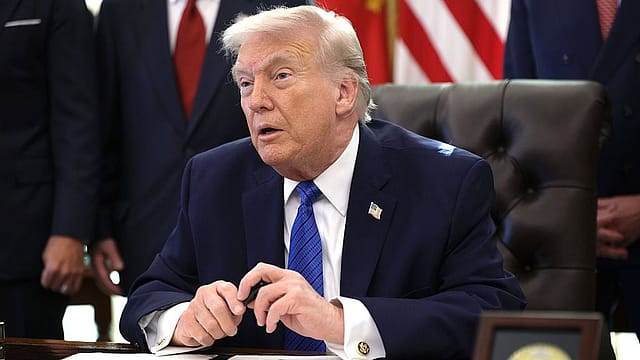
US President Donald Trump indicated on Monday that he is inclined to reject the most recent diplomatic overture from Tehran aimed at halting current hostilities, according to a report by CNN.
The Iranian proposal reportedly suggests the restoration of maritime traffic through the Strait of Hormuz, while deferring critical concerns regarding its nuclear programme to future discussions.
Sources familiar with the situation told CNN that the US President expressed his reservations during a high-level briefing with national security aides on Monday.

Losing Memory
16 Oct 2026 - Vol 05 | Issue 42
The making of a medical and social emergency
One source noted that Trump is "not likely to accept the plan," which was formally delivered to Washington within the last few days.
Administrative officials have expressed concern that reopening the vital waterway without addressing Iranian nuclear enrichment or its "stockpile of near-bomb-grade uranium" would effectively eliminate a significant source of American diplomatic pressure.
Why is Donald Trump hesitant to lift the Strait of Hormuz blockade despite rising fuel costs?
However, CNN reported that maintaining the blockade poses its own risks, as the continued closure of the strait is expected to sustain the inflated energy prices that have led to a sharp rise in American fuel costs.
Following the conclusion of the Monday meeting, the next phase of the administration's strategy remained uncertain.
American representatives remain wary of what they perceive as internal fractures within the Iranian government.
Per CNN, they are currently unsure which specific individuals "retains ultimate decision-making power over a prospective deal."
Despite this diplomatic deadlock, Trump has publicly voiced hesitation regarding the resumption of the "US bombing campaign," which remains suspended following his decision to extend a ceasefire last week.
The White House has consistently declined to elaborate on the specific details of the ongoing talks.
Assistant press secretary Olivia Wales told CNN in a statement that "these are sensitive diplomatic discussions and the U.S. will not negotiate through the press."
Wales further noted that the administration remains focused on a long-term resolution, stating, "As the President has said, the United States holds the cards and will only make a deal that puts the American people first, never allowing Iran to have a nuclear weapon."
Despite these high-level discussions in Islamabad earlier this week, a definitive breakthrough in peace negotiations between the United States and Iran remains elusive, though back-channel diplomacy continues.
(With inputs from ANI)