Fuel is Running Out and Prices Have Doubled - The Philippines Is in Full-Blown Energy Crisis Mode
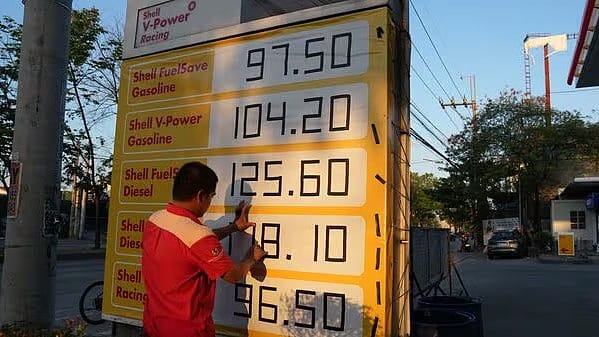
The Philippines reportedly imports 98% of its oil from Gulf states, leaving it dangerously exposed the moment the Strait of Hormuz - a critical global shipping corridor - was effectively shut down.
Petrol and diesel prices have more than doubled. Airlines are cutting routes. Malls are closing early. And the government has done something no other country has: declared a formal national energy emergency.
Work From Home Again? South Korea Cuts Shower Time, Asian Nations Struggle to Save Energy
Here’s a detailed insight.
What is the Philippine Energy Crisis?
The Philippines is battling acute fuel shortages and runaway prices triggered by the Iran war.
According to the BBC, it became the first country in the world to declare a national energy emergency in direct response to the conflict.
Current fuel reserves are estimated to last only 45 to 60 days if Strait of Hormuz disruptions continue.
Why is the Philippines So Vulnerable?
Near-total import dependency is the core problem. With reportedly 98% of its oil sourced from the Middle East, the country had virtually no buffer when Gulf supply chains collapsed.
Nearly 90% of all oil passing through the Strait of Hormuz last year was bound for Asia - making the entire region exposed, but the Philippines acutely so.

Open Minds 2026
26 Jun 2026 - Vol 05 | Issue 26
The power of ideas and arguments in 50 portraits
What Has the Government Done?
President Ferdinand Marcos Jr. signed Executive Order No. 110, declaring a national energy emergency for one year.
It authorizes the DOE to combat hoarding, allows advance payments exceeding 15% for international fuel contracts, and maximizes coal-fired generation to prevent electricity costs from hitting a projected ₱9 per kilowatt-hour.
Is the Philippines Seeking Oil Elsewhere?
Manila is working with Washington to secure exemptions to import oil from US-sanctioned nations.
Government-to-government arrangements with alternative suppliers, including Russia, are also being explored.
How Are Filipinos Coping?
Diesel has crossed 100 PHP per litre in several urban centres - nearly double prices from three months ago.
The government has accelerated its ₱5,000 fuel subsidy rollout, with over 30,000 transport workers receiving aid. But mandatory four-day work weeks for civil servants signal the economy is visibly slowing.
Who is Pushing Back?
Labour coalition Kilusang Mayo Uno called the emergency declaration an "admission of failure," warning that clauses restricting strikes could suppress worker protests.
Transport union Piston led a two-day nationwide strike demanding fuel tax scrapping, price rollbacks, and higher wages.
What Happens Next?
The emergency remains in place for up to a year. The government is racing to secure alternative suppliers and manage rising inflation, while public frustration mounts.
The Iran war did not create the Philippines' energy vulnerability - but it has exposed it with brutal, unavoidable clarity.
(With inputs from yMedia)