What is Freak Matching? Gen Z's Latest Attempt to Make Compatibility Sound Cool
The internet does not run out of ways to rebrand human longing. Every few months, a new term surfaces from the algorithmic depths, gets plastered across short-form videos, and suddenly everyone is using it as though it explains something that was previously inexplicable.
The latest offering from the Gen Z vocabulary factory is "freak matching," and like most things that go viral, it is simultaneously simpler and more complicated than it sounds.
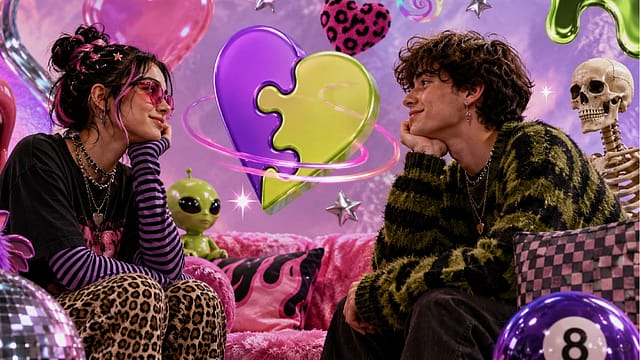
Strip away the trendy packaging and the idea is disarmingly straightforward: find someone who matches your exact level of weird.
The Health and Wellness Issue
25 Sep 2026 - Vol 05 | Issue 39
Not your ambitions, not your values, not your vision for the future, but your specific brand of strangeness. The person who understands why you send 40 Instagram Reels a day instead of having an actual conversation.
The person who does not raise an eyebrow at your inexplicable collection of random objects or your personality that is essentially a tribute to a niche internet obsession. The goal, as this generation would put it, is finding someone who sees all of that and says, "Same."
Gen Z, born between 1995 and 2012, has never been shy about putting a fresh coat of linguistic paint on concepts that predate them by decades.
Breadcrumbing, gaslighting, ghosting: the generation has a gift for naming things that people have been experiencing long before social media existed to document them. Freak matching follows the same tradition, with one notable difference in its origin story.
How Did Tinashe's 'Nasty' Give Birth to the Freak Matching Trend?
The term traces back to Tinashe's 2024 song "Nasty," and more specifically to its now-iconic line: "Is somebody gonna match my freak?"
The song, with its suggestive undertone, gave the internet exactly the kind of catchy, slightly kinky phrase it needed. Tinashe herself leaned into the cultural moment, posting playful videos about the difficulty of finding someone who could actually match her freak, even as the song dominated feeds and playlists.
From there, the phrase migrated from music into everyday romantic and social vocabulary.
Content creator Morgan Pate explained it plainly to Elle: when you say you want someone to "match your freak," you are looking for someone to vibe with you day by day and enjoy the things you love doing, together.
Importantly, Gen Z has not restricted the term to romance. It functions just as comfortably in the platonic sphere, describing friendships built on shared peculiarities rather than conventional common ground.
There is something genuinely liberating about the idea of a person who simply gets you, without the performance, without the careful editing of yourself that first impressions typically demand.
No explaining away your habits. No presenting a tidier, more socially acceptable version of your personality. Just two chaotic people finding comfort in each other's chaos. Videos of couples revealing their oddly specific shared habits routinely rack up millions of views, which suggests that the fantasy of operating on the exact same frequency as another person is one that resonates widely and quietly.
Can Freak Matching Create a False Illusion of Closeness Between Couples?
In a dating culture that has grown increasingly complicated, freak matching offers a refreshingly uncomplicated framework. Shared experiences, mutual understanding, compatible eccentricities: it sounds almost too easy.
And that, ultimately, is the problem.
Sharing the same quirks creates a powerful illusion of closeness that does not always reflect the full picture.
Two people can love the same memes, maintain the same strange habits, and spend hours deep in conversation about the same niche obsessions, while still being fundamentally wrong for each other in ways that matter far more.
Understanding someone's bizarre sense of humour is not the same as understanding who they are. Freak matching, for all its charm, risks confusing surface-level compatibility with something deeper, and that is a mistake people have been making long before Gen Z had a name for it.