Solo-Maxxing: The Gen Z Trend That Is Turning Single Life Into the Ultimate Glow-Up
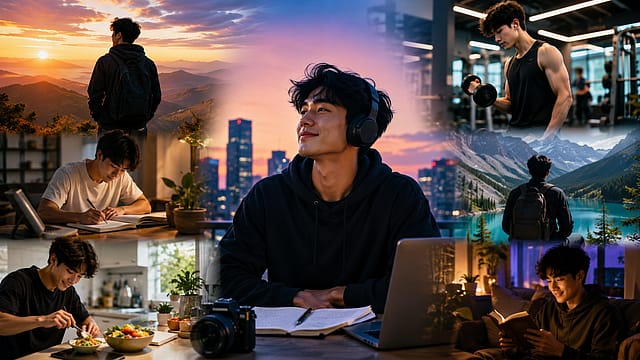
A growing number of young adults are quietly opting out of dating culture, not out of heartbreak, but by deliberate choice.
Solo-maxxing reframes singlehood not as a problem to solve but as a phase to maximize. From financial independence to emotional wellness, the trend is reshaping how an entire generation thinks about relationships, identity, and what a fulfilling life actually looks like.
What Is Solo-Maxxing and Where Did It Come From?
Solo-maxxing is the practice of intentionally choosing singlehood as a lifestyle rather than a waiting room before the next relationship.
Solo-maxxers treat being single as an active strategy for maximizing personal happiness, career growth, and mental peace.
The term draws from internet self-improvement culture and has spread rapidly through platforms like TikTok and Reddit.
Is Date-flation Making Romance Too Expensive to Bother With?
Cost is a significant driver. A single date, once food, drinks, transport, and preparation are factored in, can run surprisingly high for young adults already navigating rising living costs.
Many Gen Z individuals are redirecting that money toward savings, fitness, and skill-building instead of romantic pursuits that offer no guaranteed return.

Global By Design
29 May 2026 - Vol 04 | Issue 73
Is the future of fashion Indian?
Are Dating Apps Pushing Gen Z Toward Solo-Maxxing?
Dating apps, once considered revolutionary, are now a major source of burnout. Endless swiping, ghosting, and being judged on a few photographs have left many users emotionally drained.
For a growing number, deleting the apps has become less an act of defeat and more an act of self-preservation.
What Does a Solo-Maxxing Lifestyle Look Like?
It is not about isolation. Solo travel, solo dining, side hustles, fitness goals, and deeper investment in friendships and family are all central to it.
Single life, in this framing, becomes the main character arc rather than a subplot waiting for romance to begin.
Is Solo-Maxxing Genuine Self-Growth or Just Avoidance in Disguise?
Some experts caution that constantly protecting one's peace can quietly become a way to avoid emotional vulnerability altogether.
The line between healthy self-prioritization and fear of intimacy is thinner than most solo-maxxing content online would suggest.
Could This Reshape How Gen Z Approaches Relationships Permanently?
Gen Z is not rejecting connection but redefining the terms on which it is pursued, refusing to treat a relationship as a prerequisite for a complete life. That shift is already influencing how brands, therapists, and policymakers think about young adulthood.
(With inputs from yMedia)