Fruits and Vegetables Linked to Lung Cancer, New Study Finds
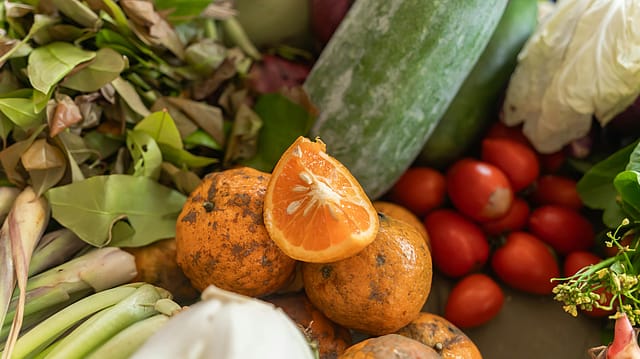
A new study conducted by researchers at the University of Southern California (USC) has claimed that diets high in fruits, vegetables, and whole grains may be linked to an increased risk of lung cancer in young non-smokers, upending long-held assumptions about healthy eating and cancer prevention.
The study, based on dietary analysis, smoking and demographic data for 187 patients, was presented at the American Association for Cancer Research's 2026 annual meeting.
All patients in the study were diagnosed with lung cancer at age 50 or younger.
Fruits and vegetables are widely seen as essential to a healthy diet and key tools for cancer prevention, making the findings especially striking.

Losing Memory
16 Oct 2026 - Vol 05 | Issue 42
The making of a medical and social emergency
Health experts stress, however, that the findings do not mean fruits and vegetables cause cancer, and that the overall benefits of eating produce still overwhelmingly outweigh any potential risks.
Are Pesticides on Fruits and Vegetables the Hidden Cause of Lung Cancer?
Researchers say the culprit is not the produce itself, but residual pesticides used on conventionally grown crops.
The study taps into a real and growing concern among scientists as to why lung cancer rates are rising in younger people who have never smoked, particularly women.
If environmental exposures such as pesticides are contributing even indirectly, it could point to broader issues with agricultural practices, regulation and long-term chemical exposure.
Using the Healthy Eating Index, which scores diet quality out of 100, researchers found the participants averaged 65, well above the US average of 57.
Most participants had never smoked, and many had tumor types that differ biologically from lung cancers typically associated with smoking.
The young patients ate more servings of dark green vegetables, legumes and whole grains than typical Americans, with women in the group recording especially high scores.
"Our research shows that younger non-smokers who eat a higher quantity of healthy foods than the general population are more likely to develop lung cancer," said Jorge Nieva, MD, a medical oncologist and lung cancer specialist with USC Norris and lead investigator of the study.
Nieva also pointed to the specific nature of the risk. “Commercially produced (non-organic) fruits, vegetables and whole grains are more likely to be associated with a higher residue of pesticides than dairy, meat and many processed foods,” he told Fox News Digital.