Donald Trump Signals Bigger Strikes on Iran as Diplomacy Narrows
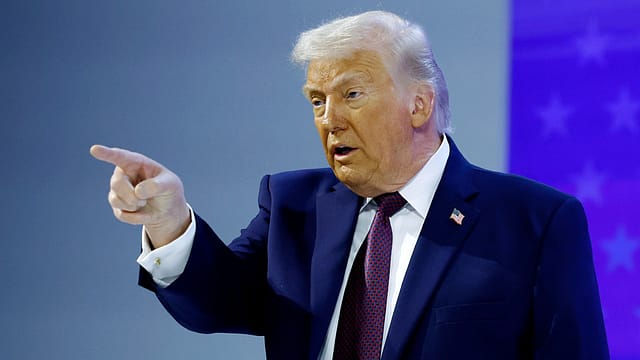
According to officials familiar with the discussions, Trump has been briefed on scenarios aimed at inflicting deeper damage on Iran’s nuclear and missile infrastructure or even undermining the authority of the country’s supreme leader. The proposals mark a sharp escalation from earlier plans that focused narrowly on deterring Tehran from killing protesters during a wave of nationwide unrest.
That context has now changed.
Iran’s mass protests have been forcefully suppressed, at least for the moment, prompting a recalibration in Washington. With internal dissent crushed, the administration is reassessing how to apply pressure, this time with fewer constraints and broader military ambition.

Zeroing In on ECI
09 Oct 2026 - Vol 05 | Issue 41
Constitutional legitimacy versus political opportunism
Among the options under review are targeted raids on key Iranian facilities, including scenarios that would involve US troops operating inside Iran. Officials described the planning as significantly more expansive than discussions held earlier this month, underscoring how rapidly the situation has evolved.
The military posture has followed suit. US warships and air assets are being surged across the Middle East in what officials describe as a growing show of force tied to Iran’s nuclear ambitions.
US Secretary of War Pete Hegseth reinforced that message during a Cabinet meeting, issuing a blunt warning to Tehran. Iran, he said, “should not pursue nuclear capabilities,” adding that the US military stands ready to deliver “whatever this president expects of the War Department.”
To underline American capability, Hegseth pointed to the recent capture of former Venezuelan President Nicolas Maduro and his wife, calling it one of the most sophisticated raids in world history and evidence of how aggressively US forces have been empowered under Trump.
Trump himself has sharpened the rhetoric. In a post on Truth Social, he announced that a “massive armada” led by the USS Abraham Lincoln was moving toward Iran, urging Tehran to return to negotiations and accept a deal barring nuclear weapons.
“Time is running out,” Trump warned, adding that failure to comply would invite consequences “far worse” than previous attacks.
Those remarks echoed the administration’s actions in June 2025, when US forces, working alongside Israel, struck multiple Iranian nuclear facilities in a campaign Washington said significantly set back Tehran’s nuclear programme.
Now, with diplomacy faltering and protests silenced, the question is no longer whether pressure will increase but how far Trump is willing to go.
(With inputs from ANI)