Chiang Mai Chokes: Inside Thailand's Worst Air Crisis of 2026
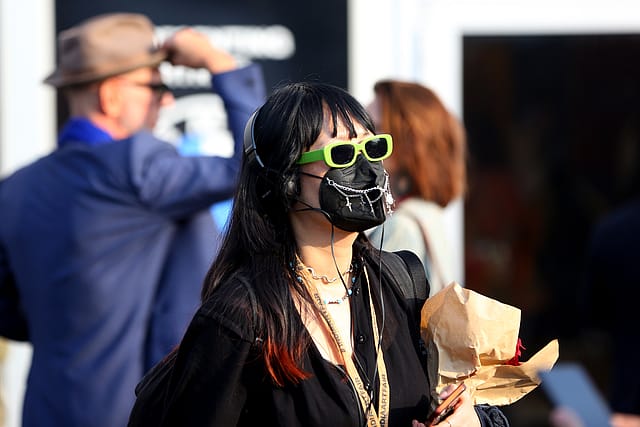
Chiang Mai, a cultural hub in northern Thailand, recorded hazardous air quality throughout the final week of March 2026. The city sits in a mountain basin, making it especially vulnerable when smoke from wildfires and agricultural burning accumulates. On March 31, air quality remained deep in the "Very Unhealthy" range, with no immediate relief in sight.
What Exactly Pushed Chiang Mai To The Top Of The World's Pollution Rankings?
On March 30, IQAir's real-time rankings placed Chiang Mai at number one globally with an AQI of 233, a level the US AQI standard classifies as Very Unhealthy for all population groups. Fine particulate matter 2.5 micrometers (PM2.5) reached 188 micrograms per cubic meter that day. Chiang Mai has repeatedly ranked among the world's worst during the burning season.
The Modi Years
02 Oct 2026 - Vol 05 | Issue 40
A Nation Rebuilt
What Is Driving The PM2.5 Crisis In Chiang Mai This Season?
Agricultural burning of rice, sugarcane, and maize fields, combined with forest fires, is the primary cause. Smoke drifts in from Laos, Myanmar, and Cambodia. Still weather and basin geography trap pollution close to ground level, pushing the Thailand Air Pollution Index into hazardous territory.
How Bad Has The Thailand Air Pollution Index Been In Numbers?
At 10:00am on March 29, Chiang Mai topped IQAir's global index at AQI 263, with PM2.5 Chiang Mai readings at 188 micrograms per cubic meter. The WHO safe daily PM2.5 limit is 15 micrograms per cubic meter. Parts of the region measured over four times that threshold this week.
What Are The Health Consequences For Residents?
Hospitals in Chiang Mai and Chiang Rai reported rising patient numbers with breathing problems. Prolonged exposure raises the risk of asthma, bronchitis, and heart conditions. Children, the elderly, and pregnant individuals face the highest danger from sustained PM2.5 Chiang Mai exposure.
How Extensive Is The Wildfire And Agricultural Burning Activity?
Chiang Mai logged over 2,090 hotspots from January 1 to March 27. On March 24, 158 wildfires were recorded across 15 districts, nearly five times the previous day's count. Agricultural burning hotspots remained active across the region despite government restrictions.
What Is The Government Doing And When Will Air Improve?
Chiang Mai declared Samoeng and Hot districts wildfire disaster zones and deployed KA-32 firefighting helicopters to fight mountain fires. The province banned all open burning from February 1 to May 31, 2026. The Thailand Air Pollution Index is unlikely to improve before monsoon rains arrive. Residents are advised to use air purifiers and monitor AQI apps daily.
(With inputs from yMedia)