The Afterlife of a Protest
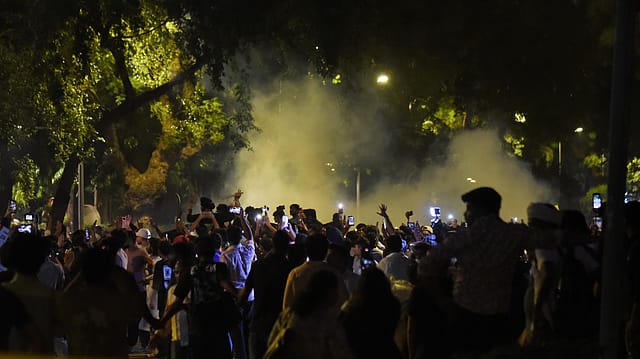
The “students” protest at Jantar Mantar in New Delhi may have come to an end but its consequences and its afterlife are just beginning. From the government to the Supreme Court and from students to law enforcement authorities, a slew of stakeholders is grappling with the ill-effects of this protest.
Protests by students were not limited to New Delhi but had spread to many other towns and cities of India. This was understandable as leaks of examination question papers affect the fate of millions of students. What could not be understood was the violence that accompanied the protest. The Cockroach Janata Party (CJP), the nascent political outfit spearheading the protest, demanded that no cases be filed against students and in case of proceedings already set in motion, they be withdrawn. The government acceded to the request willingly.
The Identity Project
11 Sep 2026 - Vol 05 | Issue 37
Amit Shah leads the mission for a national demographic correction
The trouble is that the protest witnessed participation not just by students but also by anti-social and criminal elements, something that many students and backers of the protest were unwilling to admit.
No one in authority is going to accept that and in recent days there have been plenty of hints that this is indeed the case. The government on its part has continued with a crackdown on such elements using facial recognition technology even as orders to withdraw cases against students have been issued across a number of states. Bihar and Assam, among others, have passed such orders. On Tuesday the Supreme Court passed a short order in a clutch of petitions where it said that, “The NCT of Delhi and other States may proceed with the investigation of the FIRs registered; however, no coercive measures shall be taken against the protesting students. Such protection, nonetheless, shall not be extended to the persons with criminal antecedents.”
These actions and statements indicate that while those in authority have taken care that no bona fide student is harmed legally or otherwise, the situation came close to the breakdown of law and order. The slew of complaints and statements that policemen and paramilitary forces used “unacceptable force” led to the Director General of the CRPF, GP Singh, telling his officers and troopers that responsibility for any action they take in meeting a situation finally rested with him. It was an extraordinary statement that was necessitated by the attacks on the CRPF from various quarters. This was not just morale boosting pep talk but a clear signal that detachments tasked with maintaining law and order should do their jobs without fear.
Protests in India have a tendency to get out of hand. It takes a great deal of leadership and sagacity to ensure that such protests remain free of violence, a quality that should not be expected from student leaders who are just beginning their political careers. In the case of the CJP, there has been no indication that they understand the gravity of what has transpired in the days past. For them this is a sweet moment when a government has been humbled.
The government has a different set of priorities, chief among them being maintaining law and order. Each such protest where it gives into demands—reasonable and unreasonable—opens the door for more agitations. This is classic moral hazard territory. One can draw a straight line from the protests launched against the Citizenship Amendment Act in 2019—including the Shaheen Bagh protest—to the farmers’ agitation to the current bout of protests. In each case, the government handled the matter politically, without resort to coercion. But the bill has come due, in the form of protests that are ever more virulent.