QUICK TAKE | Why Rani Lakshmibai Refused to Give Up Jhansi. Seven Things to Know
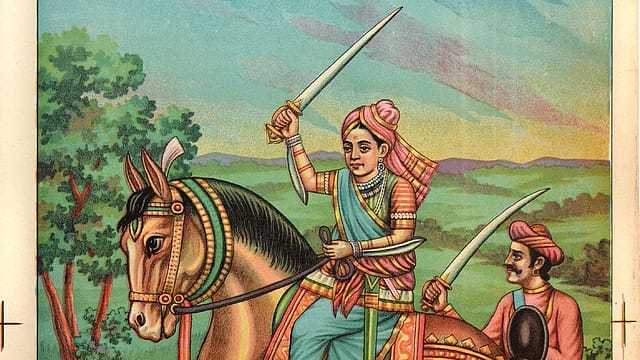
1. Who was Rani Lakshmibai?
Born Manikarnika Tambe in Varanasi, she became the Queen of Jhansi after marrying Maharaja Gangadhar Rao. Remembered for her military leadership during the 1857 uprising, she remains one of India’s most recognised symbols of resistance to British rule.
2. Why is she being remembered today?
November 19 is observed as her birth anniversary. Modi praised her courage and refusal to compromise on duty or self-respect. Uttar Pradesh Chief Minister Yogi Adityanath also paid tribute, recalling her leadership and sacrifice in the struggle against British rule.
3. Why did the British annex Jhansi?
After Gangadhar Rao died in 1853, the East India Company refused to recognise the succession rights of their adopted son, Damodar Rao. It annexed Jhansi in 1854 under the Doctrine of Lapse, despite Lakshmibai’s objections and appeals.
4. What was the Doctrine of Lapse?
The Company used this policy to take over princely states when it declined to recognise an adopted heir following a ruler’s death without a natural successor. Lakshmibai challenged its application to Jhansi through petitions and legal representation before her armed resistance.

The Wealth Issue 2026
06 Nov 2026 - Vol 05 | Issue 45
Portraits of Dreamers and Doers under 35
5. How did she defend Jhansi?
Lakshmibai assumed control of the state during the 1857 rebellion. When British forces under Hugh Rose attacked in March 1858, she organised Jhansi’s defence. After the city fell, she escaped to Kalpi and continued fighting alongside other rebel leaders.
6. Why did her campaign move to Gwalior?
After defeats around Kalpi, Lakshmibai joined Tatya Tope and Rao Sahib in taking Gwalior. British forces pursued them, and she died fighting near the city in June 1858. Accounts differ over whether her death occurred on June 17 or 18.
7. Why has her story endured?
She challenged annexation, governed amid rebellion and continued her campaign after losing Jhansi. Her opponents also recognised her resolve. Hugh Rose described her as an influential and dangerous adversary whose fortitude survived military reverses. Her struggle subsequently became a powerful reference point for Indian nationalism.