EAM Jaishankar on the new world order: Why India and Japan need stronger ties
The world is changing, and the rules that once governed international relations are being tested. From geopolitical shocks and disrupted supply chains to the growing weaponisation of economic dependencies, countries are being forced to rethink how they protect their interests and choose their partners.
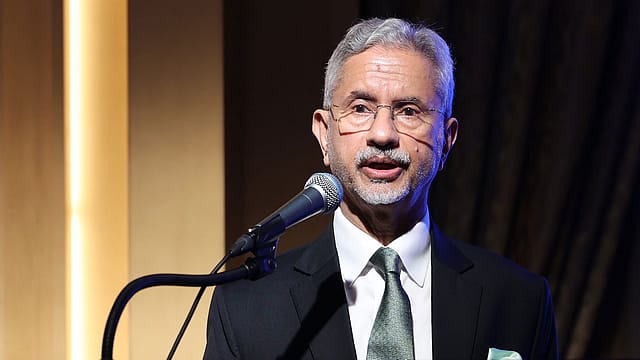
Speaking at the inaugural Raisina Tokyo 2026 on November 18, External Affairs Minister S Jaishankar offered his assessment of this shifting global landscape. His message was clear: India and Japan must strengthen their partnership as they navigate a more uncertain and competitive world.
What are the five forces reshaping the global order?
Jaishankar identified five broad trends influencing international relations. The first is the growing frequency of global shocks, which have exposed the vulnerability of economies and institutions. The second is the weaponisation of interdependence, particularly through control over strategic resources, supply chains and critical chokepoints.
The third trend is a greater willingness among countries to take risks in pursuit of their interests. The fourth is the push towards de-risking and diversification, as governments seek to reduce excessive dependence on a handful of countries or suppliers. The fifth is the growing importance of trusted partnerships.

The Wealth Issue 2026
06 Nov 2026 - Vol 05 | Issue 45
Portraits of Dreamers and Doers under 35
Together, these developments point to a world in which economic security and national security are increasingly interconnected. Countries can no longer treat trade, technology and geopolitics as separate conversations.
Why does Jaishankar want Japan to update its view of India?
Jaishankar also underlined the importance of how India is understood by its international partners. He called for a more contemporary assessment of India, reflecting the country's economic transformation, technological capabilities and expanding global role.
India and Japan have built a relationship around shared democratic values and a common interest in a stable Indo-Pacific. But the partnership is no longer limited to traditional areas such as infrastructure and development assistance.
As global competition intensifies, both countries have reasons to work more closely on emerging technologies, resilient supply chains and regional security. A stronger understanding of each other's priorities, Jaishankar suggested, can help translate the political relationship into more practical cooperation.
Why are semiconductors, critical minerals and clean energy important?
Technology and economic security are emerging as central pillars of India-Japan relations. Semiconductors, critical minerals and clean energy are particularly important because they underpin industries that will shape the next phase of economic growth.
The pandemic and subsequent geopolitical disruptions exposed the risks of concentrated supply chains. Semiconductors are essential to everything from automobiles and telecommunications to artificial intelligence. Critical minerals are vital for batteries, electric vehicles and renewable energy technologies.
India and Japan can complement each other's strengths by investing in manufacturing, research, technology development and more dependable supply networks. Cooperation in clean energy can also support their climate commitments while reducing vulnerability to global energy disruptions.
What is the India-Japan 2+2 dialogue, and why does it matter?
The next major diplomatic engagement is the fourth India-Japan 2+2 ministerial dialogue, scheduled for November 19. Jaishankar and Defence Minister Rajnath Singh are expected to meet their Japanese counterparts, Foreign Minister Toshimitsu Motegi and Defence Minister Shinjiro Koizumi.
The 2+2 format brings together the foreign and defence ministers of both countries, allowing them to discuss diplomatic and security priorities in one forum. It reflects the growing strategic dimension of the partnership.
The discussions come amid wider concerns about regional stability, maritime security and the changing balance of power in the Indo-Pacific.
What lies ahead for India and Japan?
The challenge for both countries is to turn their shared concerns into concrete cooperation. That means building stronger economic links, securing access to critical technologies and resources, and maintaining close coordination on regional security.
Jaishankar's remarks at Raisina Tokyo come at a time when countries are reassessing old assumptions about globalisation and strategic dependence. For India and Japan, the message is that a more uncertain world makes reliable partnerships even more valuable.
(With inputs from ANI)