India-EU FTA set for December signing: When will the trade deal take effect and what does it mean?
A deal that has taken years to negotiate is finally approaching the finish line. India and the European Union are preparing to sign their free trade agreement in December, potentially opening a market of nearly two billion people to deeper commercial ties. But signing the agreement will not immediately mean lower tariffs or unrestricted access for businesses. Several approval procedures still need to be completed before the benefits become available.
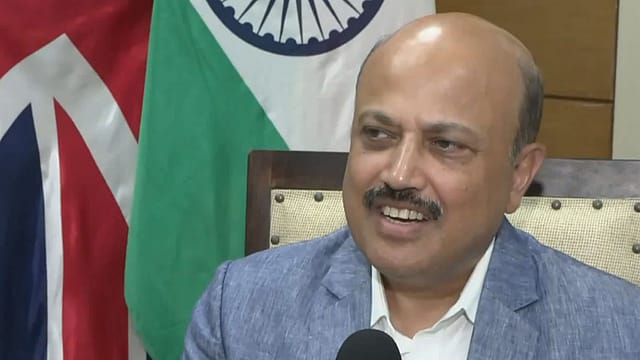
Commerce Secretary Rajesh Agrawal confirmed the December target on November 18, saying the negotiations had made good progress. He also indicated that India was aiming to bring the agreement into force in the first quarter of 2027.
When will India and the EU sign the free trade agreement?
"We hope to sign it in December 2026," Agrawal told ANI on the sidelines of the ISA Steel Conclave in New Delhi. He reiterated the implementation target at a FICCI panel, saying: "We are trying for the first quarter itself. So it depends on a lot of things moving in time, but we will be there."

The Wealth Issue 2026
06 Nov 2026 - Vol 05 | Issue 45
Portraits of Dreamers and Doers under 35
The latest indication from the European side is similarly encouraging. In an interview with The New Indian Express on November 16, EU Ambassador to India Hervé Delphin said the two sides were targeting a mid-December signing, with the agreement expected to enter into force in the first half of 2027, subject to the necessary approvals.
Why has the India-EU trade deal taken so long?
India and the EU first began negotiating a free trade agreement in 2007. The talks stalled in 2013 amid disagreements over market access, tariffs and other issues. Negotiations were relaunched in June 2022, as both sides looked to diversify trade partnerships and strengthen economic cooperation.
The breakthrough came on January 27, 2026, when Prime Minister Narendra Modi and European Commission President Ursula von der Leyen announced that negotiations had been concluded at the 16th India-EU Summit in New Delhi.
Since then, the agreement has moved through legal and procedural preparations. In September, the European Commission submitted proposals to the Council of the EU to authorise its signing and formal conclusion. Commerce Secretary Agrawal's November visit to Brussels also included discussions on implementation and trade facilitation.
What will Indian exporters gain from the India-EU FTA?
The biggest attraction is preferential access to European markets. According to the Commerce Ministry's January factsheet, India has secured preferential access across 97 per cent of EU tariff lines, covering 99.5 per cent of Indian exports by value.
Labour-intensive industries stand to benefit significantly. Textiles, apparel, leather, footwear, gems and jewellery, sports goods and selected marine products are among the sectors expected to gain from reduced or eliminated duties.
The government says 70.4 per cent of tariff lines, covering 90.7 per cent of India's exports, will receive immediate duty elimination once the agreement enters into force. Other products will see duties phased out over three to five years or receive preferential access through tariff quotas.
What approvals are still needed before the deal takes effect?
Signing is only one milestone. According to the European Commission, the agreement requires approval by the Council of the EU, signature by both sides, consent from the European Parliament and a final Council decision. India must also complete its domestic ratification process.
This means the December signing target and the first-quarter implementation goal are connected but separate milestones.
Is an India-US trade deal also nearing completion?
Agrawal also offered an update on negotiations with Washington, saying: "It is nearing conclusion and we will be there soon."
He did not provide a signing date or disclose details of the proposed interim arrangement. For India, progress on both trade fronts could help diversify export markets and strengthen its position in an uncertain global trading environment.
The India-EU agreement, however, is the more immediate milestone. After nearly two decades of negotiations, businesses on both sides are now waiting to see whether the final approvals arrive in time to turn the December announcement into a 2027 trade reality.
(With inputs from ANI)