QUICK TAKE | Why Indira Gandhi Still Looms Over Indian Politics. Seven Things to Know on Her 109th Birth Anniversary
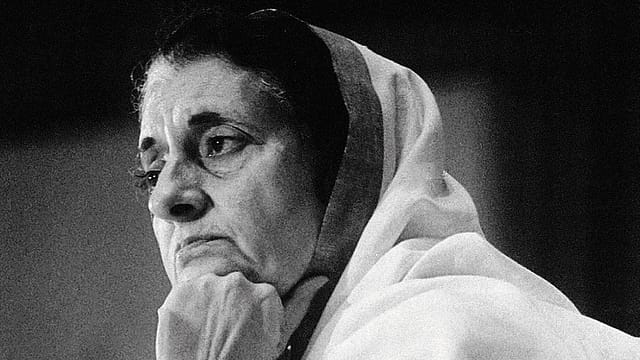
1. Who was Indira Gandhi?
Born on November 19, 1917, in Allahabad, now Prayagraj, Indira Gandhi was Jawaharlal Nehru’s daughter and India’s first woman prime minister. She held office from January 1966 to March 1977 and again from January 1980 until her assassination in October 1984.
2. Why is she being remembered today?
November 19 marks her 109th birth anniversary. PM Modi paid tribute on X. Karnataka Chief Minister D K Shivakumar also recalled her influence on India’s political and economic development, highlighting agriculture, access to banking and support for the country’s space and nuclear programmes.
3. Why was the 1971 war a defining moment?
Gandhi led India during the war that ended with Pakistani forces surrendering in Dhaka on December 16, 1971, and Bangladesh emerging as an independent country. The outcome transformed South Asia’s political map and strengthened her standing as a national leader.
4. How did she change Indian banking?
Her government nationalised 14 major commercial banks on July 19, 1969, followed by six more in 1980. The policy sought to direct banking towards development priorities and was followed by a rapid expansion of branches and lending to previously underserved sectors.

The Wealth Issue 2026
06 Nov 2026 - Vol 05 | Issue 45
Portraits of Dreamers and Doers under 35
5. What happened at Pokhran during her tenure?
India conducted its first nuclear test at Pokhran on May 18, 1974. Officially described as a peaceful nuclear experiment, it demonstrated India’s nuclear capability and became a major milestone in the country’s scientific and strategic history.
6. Why does the Emergency dominate debate about her legacy?
The Emergency lasted from June 1975 to March 1977. Her government curtailed civil liberties, censored newspapers and jailed opposition leaders. Forced sterilisation campaigns and abuses of state power made the period one of independent India’s gravest democratic crises.
7. How did her time in office end?
After losing power in the 1977 election, Gandhi returned as prime minister in 1980. She remained in office until her assassination on October 31, 1984. Her son Rajiv Gandhi succeeded her, becoming prime minister that same day.