QUICK TAKE | How a British Detention Camp Became India’s First IIT: Seven Things to Know About IIT Kharagpur
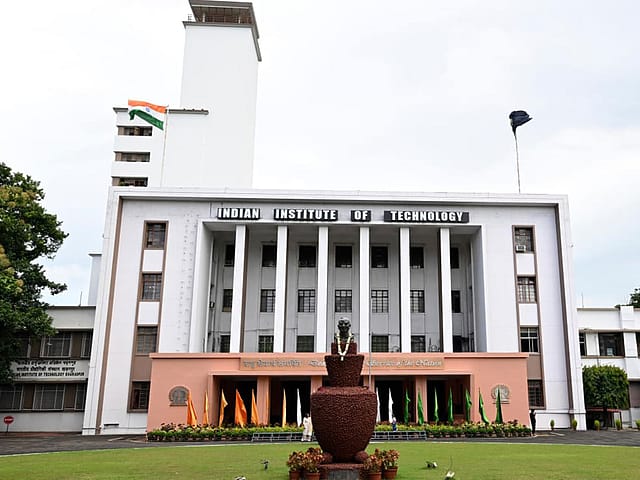
1. What is IIT Kharagpur?
Established in 1951, IIT Kharagpur is India’s first Indian Institute of Technology. Located in West Bengal, it helped establish the model of advanced technical education that subsequently spread across the country. Its first director was scientist Sir Jnan Chandra Ghosh.
2. Did it really begin inside a detention camp?
Its first classrooms, laboratories and administrative office occupied the former Hijli Detention Camp. British authorities established the camp in 1930 to hold participants in the freedom struggle. The building’s conversion into an educational institution gave the campus an unusually direct connection with colonial imprisonment.
3. What happened at Hijli during British rule?
British police shot dead two unarmed detainees, Santosh Kumar Mitra and Tarakeswar Sengupta, on September 16, 1931. Subhas Chandra Bose came to collect their bodies. Rabindranath Tagore joined national leaders in protesting the killings, according to the institute’s official history.
4. Who formally inaugurated the institute?
India’s first education minister, Maulana Abul Kalam Azad, inaugurated it on August 18, 1951. Its creation followed recommendations from a committee headed by Nalini Ranjan Sarkar, which proposed advanced technical institutions to support industrial development. The ambition included research and training future technical teachers.

The Wealth Issue 2026
06 Nov 2026 - Vol 05 | Issue 45
Portraits of Dreamers and Doers under 35
5. How small was its beginning?
The first academic session opened with 224 students, 42 teachers and ten departments. Jawaharlal Nehru laid the foundation stone of the new building in March 1952. The institute subsequently developed into a campus spanning approximately 2,100 acres, according to its official account.
6. Which familiar names studied there?
Its alumni include Sundar Pichai, entrepreneur Vinod Gupta, HCL co-founder Arjun Malhotra and politician Arvind Kejriwal. Their careers illustrate how graduates moved beyond engineering into technology businesses, entrepreneurship and public life. The institute’s alumni network also supports its educational and institutional development.
7. What did PM Modi emphasise at the jubilee?
PM Modi linked the site’s freedom-struggle history with India’s technological ambitions, describing a journey from aspirations for self-rule to a resolve for self-reliance. He highlighted graduates’ contributions to industry, space, atomic energy and software. The commemorative coin marks 75 years of the institution; the supplied report does not specify its denomination.