QUICK TAKE | Why a Himachal Village Ended Animal Sacrifice at Its Temple: Seven Things to Know
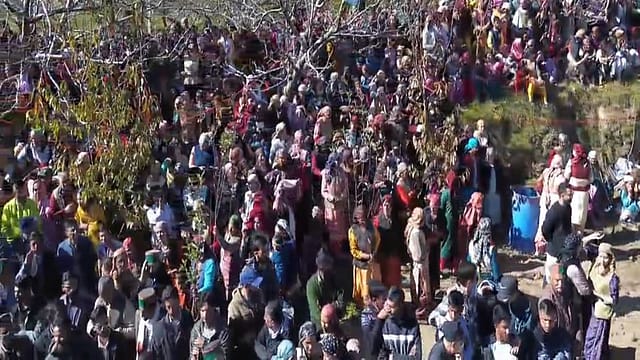
1. Where is Mata Drotishwari Temple?
The newly constructed temple stands in Daroti village in the Nawar region of Shimla district, around 150 km from Shimla city. According to residents, their ancestors brought a sacred symbol of the goddess from Nagarkot in Kangra and established worship in the village.
2. What has the community changed?
Villagers decided to conduct the temple’s Pratishtha, or consecration, without animal sacrifice. Local resident Rajender Singh Ranta told ANI that the practice had been completely discontinued at the temple. The ceremony instead followed Vedic rituals, with priests describing the observance as sattvik.
3. Who took the decision?
A collective village meeting held around two months before the ceremony agreed on the change in the presence of a priest. Residents and temple priest Ved Prakash Sharma also linked it to the guidance of Narayan, the region’s principal deity. The account describes a community-led decision.
4. How old is the tradition?
Sharma said elders traced the temple’s religious tradition back at least 150 years. Animal sacrifice had been practised in the region, according to temple committee member Prem Ranta. The report does not independently establish when sacrifice began or how frequently it occurred at this shrine.

The Wealth Issue 2026
06 Nov 2026 - Vol 05 | Issue 45
Portraits of Dreamers and Doers under 35
5. Why did devotees walk 300 kilometres?
Around 28–30 devotees undertook a pilgrimage associated with the consecration, visiting Nagarkot, Jwala Ji and Haridwar. After a dip in the Ganga, they walked approximately 300 km back to their village over 10–12 days. Most participants were young people, according to residents.
6. How was the new temple built?
Construction took approximately 10–12 years, funded through donations and supported by voluntary labour. Rajender Singh Ranta said villagers contributed around 100–150 days of work annually. The temple incorporates intricate carvings and architectural designs inspired by other shrines across Himachal Pradesh.
7. Does this mean animal sacrifice has ended across Himachal?
The report establishes a change at this temple and describes similar practices under the local deity’s guidance. It does not establish a statewide end. Organisers estimate that 4,000–5,000 people from roughly 30–40 villages attended, giving the decision an audience across neighbouring communities. Young pilgrim Sunil Ranta said it promoted respect for every living being.