QUICK TAKE | One Crore HPV Shots: Seven Things to Know About India’s Cervical Cancer Prevention Drive
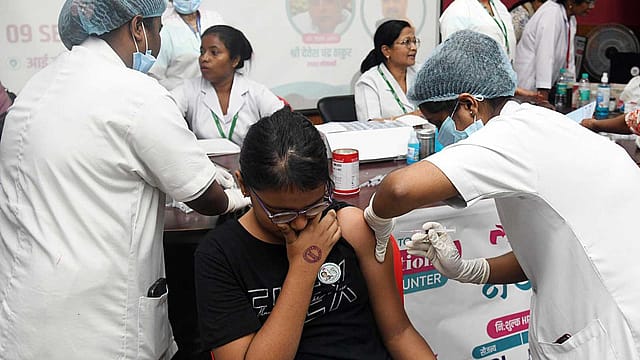
1. What is the HPV vaccine?
It protects against selected types of human papillomavirus, a common virus usually transmitted through sexual contact. Persistent infection with high-risk HPV types causes almost all cervical cancers. Vaccination helps prevent these infections; it does not treat an existing infection or cancer.
2. What milestone has India reached?
More than one crore doses have been administered in less than nine months, according to the Health Ministry’s release cited by ANI. The ministry reports nearly 87% coverage of its identified annual target cohort of approximately 1.2 crore girls. This measures vaccination coverage, rather than a reduction in cancer cases.
3. Who qualifies for the free programme?
The national campaign offers voluntary, single-dose vaccination to 14-year-old girls at designated government health facilities, with parental consent. Parents can use U-WIN to book appointments and download vaccination certificates, according to the release. Local health facilities can confirm eligibility and session availability.
4. Why vaccinate girls at 14?
Protection is most effective when established before exposure to HPV. WHO identifies girls aged 9–14 as the primary vaccination group, when immune responses are strong. Vaccinating adolescents now is intended to prevent infections and precancerous changes that could otherwise lead to cancer years later.

The Wealth Issue 2026
06 Nov 2026 - Vol 05 | Issue 45
Portraits of Dreamers and Doers under 35
5. Is one dose enough?
WHO supports a single-dose option for eligible age groups, based on evidence of protection. However, people with compromised immune systems, including those living with HIV, need additional doses. A medical professional should assess these circumstances; the campaign’s standard schedule should not be assumed suitable for everyone.
6. Which states are leading?
Gujarat, Uttar Pradesh, Andhra Pradesh, Mizoram, Madhya Pradesh and Bihar report 100% coverage of their identified target populations. Uttar Pradesh leads in absolute numbers, with over 29.33 lakh girls vaccinated, followed by Bihar with over 13.70 lakh. These figures refer to the campaign’s eligible cohort, rather than all girls.
7. Will vaccinated girls still need screening as adults?
Vaccination does not protect against every cancer-causing HPV type, so cervical screening remains important. WHO recommends screening even after vaccination. India’s prevention effort therefore needs vaccination alongside screening, timely treatment of precancerous changes and access to care for women who develop symptoms.