How Gandhi Sagar Forest Retreat Is Redefining Sustainable Travel in India
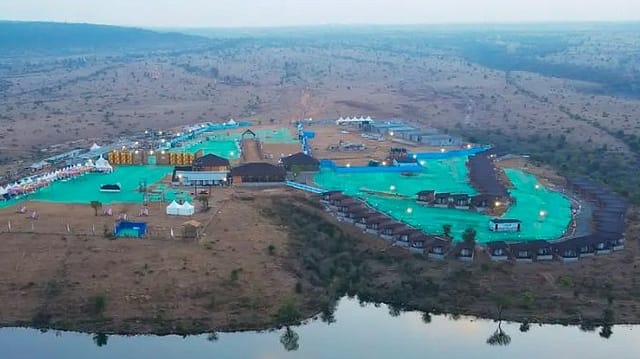
Nestled along the Mandsaur-Neemuch border in Madhya Pradesh, the Gandhi Sagar region is rapidly emerging as one of India’s most promising eco-tourism destinations, blending wilderness, comfort, and community development into a unique travel experience.
Developed with support from the Madhya Pradesh Tourism Board, the Gandhi Sagar Forest Retreat reflects a growing national focus on sustainable travel under the ‘Dekho Apna Desh’ initiative. It offers visitors not just a break from city life, but a deeper connection with nature, culture, and conservation.
A Luxury Escape in the Heart of Nature
The Forest Retreat has been designed to provide an immersive experience without disturbing the natural landscape. Visitors stay in luxury tents surrounded by forest cover, wake up to guided eco-trails, and explore butterfly parks and jungle pathways in a peaceful, pollution-free environment.

Losing Memory
16 Oct 2026 - Vol 05 | Issue 42
The making of a medical and social emergency
Naturalist Shubham, who works at the retreat, says the destination offers a holistic experience that combines adventure, learning, and relaxation. Tourists engage in water sports, nature walks, and heritage exploration, while also gaining insights into the region’s biodiversity and archaeological history.
The emphasis is on responsible tourism, where travellers leave with greater awareness and appreciation of the ecosystem rather than just photographs.
Adventure, Heritage, and Youth Appeal
Gandhi Sagar is steadily becoming a favourite among young travellers and adventure seekers. The Chambal River provides opportunities for boating, kayaking, and water sports, while the iconic Gandhi Sagar Dam offers panoramic views of the vast reservoir.
Ancient rock paintings and night-time stargazing add cultural and experiential value to the destination. These features, combined with modern facilities, make the retreat especially attractive to Gen Z and millennial tourists.
Visitors have praised the infrastructure and variety of activities. Many describe the retreat as a rare space where adventure meets tranquillity, making it ideal for both exploration and relaxation.
Driving Local Economy and Livelihoods
Beyond tourism, Gandhi Sagar plays a crucial role in strengthening the regional economy. The massive reservoir supports a thriving fisheries sector, creating stable income for thousands of families.
According to fisheries officials, nearly 2,800 fishermen are linked to cooperative societies in the area, with around 1,000 actively engaged. When extended to family members and related occupations, several thousand people benefit directly and indirectly from the ecosystem.
The growth of tourism has also created employment for guides, hospitality staff, transport providers, and local vendors, ensuring that development reaches grassroots communities.
A Vital Haven for Wildlife and Biodiversity
Gandhi Sagar remains one of Madhya Pradesh’s most important ecological zones. The wetland transforms into a winter home for thousands of migratory birds, including flamingos, every year. It is also one of the few remaining habitats in the state for endangered vultures.
The presence of crocodiles, otters, and diverse aquatic species reflects the health of the ecosystem. Local authorities stress that conservation remains central to development plans.
Sub-Divisional Magistrate Rahul Chauhan has highlighted that the government is expanding tourism facilities while ensuring that environmental balance is preserved. Efforts are being made to protect habitats even as visitor numbers grow.
The rise of Gandhi Sagar Forest Retreat shows how tourism, conservation, and community welfare can coexist. By combining luxury with responsibility, adventure with awareness, and growth with preservation, the destination represents a new template for eco-tourism in India.
As more travellers seek meaningful and environmentally conscious experiences, Gandhi Sagar stands out as an example of how natural heritage can be protected while empowering local communities and boosting regional development.
(With inputs from ANI)