QUICK TAKE | Seven Things to Know About Gold and Silver Prices Ahead of Dhanteras
1. Are gold and silver rising again?
Yes, in futures trading. After Monday’s recovery, the latest available MCX quotes put December gold around ₹1.40 lakh per 10 grams and December silver at ₹1,83,828 per kg, up about 2.6%. These are exchange-traded contracts, rather than jewellery counter prices.
2. Does that reverse October’s slide?
Only partly. MCX gold futures fell around 7% during October, while silver lost nearly 20%, Mint reported. The rebound, therefore, follows a substantial correction. Buyers are approaching Dhanteras with prices below recent levels, despite the latest upward move.
3. What is driving the recovery?
Falling crude oil prices have eased inflation worries and offered precious metals some relief from fears of higher US interest rates. Higher rates make interest-bearing assets more competitive with gold. Expectations around US-Iran talks helped oil fall sharply, while a softer dollar also supported bullion.
4. Why is silver moving more sharply?
Silver combines investment demand with industrial uses, making it sensitive to both investor sentiment and economic prospects. It also tends to experience wider price swings. Its stronger rebound comes after a much steeper October fall than gold’s.

The Era of Forever Wars
30 Oct 2026 - Vol 05 | Issue 44
Coping with an explosive Middle East
5. Are physical bullion prices rising too?
The picture differs. IBJA’s November 2 closing benchmark was ₹1,37,524 per 10 grams for 999-purity gold and ₹1,79,972 per kg for silver, both below October 30. Different trading hours and benchmarks matter: a futures rally does not mean every jeweller’s rate has already risen.
6. Is Dhanteras bringing buyers back?
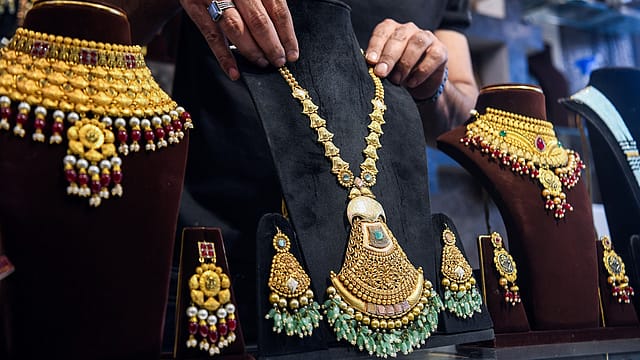
Jewellers report improving footfalls and demand for gold jewellery, silver coins and articles, according to The Economic Times. IBJA national secretary Surendra Mehta expects Dhanteras sales volumes to rise 10–12% from a year earlier. That is an industry forecast, with actual festive sales still ahead.
7. What should shoppers compare?
Start with the same purity and weight, then compare the complete bill. IBJA benchmarks exclude 3% GST and making charges. Jewellery workmanship, wastage charges and buyback terms can change the effective cost considerably. A lower advertised metal rate alone need not mean a cheaper purchase.