ITC’s Cloud-Kitchen Bet: Can Aashirvaad and Prasuma Win Your Takeaway Order?
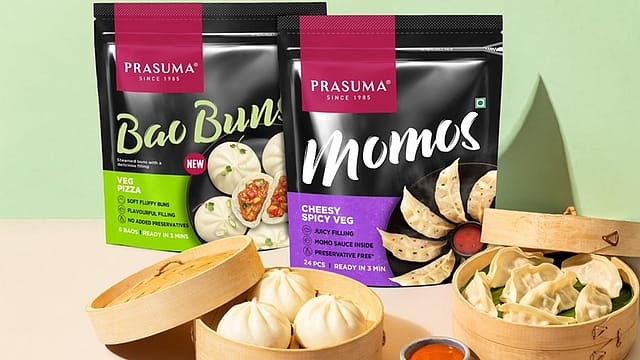
ITC would like a bigger role in the evening when you cannot be bothered to cook.
Its latest quarterly results show how seriously it is pursuing that ambition. Fresh-food gross merchandise value, or GMV, grew 53% year on year in the quarter ended September 30, 2026. The network expanded to more than 80 cloud kitchens across five cities in South and West India, with seven kitchens added during the quarter. A new offering, Prasuma Chilli Chow, takes the business into street-style Chinese food.
The disclosures put the business at an annualised GMV run rate of about ₹320 crore. That extrapolates the quarter’s order value over a year; it is different from a completed year’s accounting revenue.
The more interesting development is the range of food occasions ITC is pursuing. Aashirvaad can appear in a home-style meal, Sunfeast in a cake, and Prasuma in a Chinese-food order. Familiar brands are being asked to travel beyond the grocery basket.

The Era of Forever Wars
30 Oct 2026 - Vol 05 | Issue 44
Coping with an explosive Middle East
That creates an intriguing question for an Indian consumer company: how much of its advantage survives when the product must be cooked nearby and delivered in time for dinner?
The grocery brand gets a kitchen
ITC’s fresh-food portfolio already spans several appetites. Aashirvaad Soul Creations offers pure vegetarian, home-style Indian food. Master Chef Creations covers premium North Indian cuisine. Sunfeast Baked Creations handles bakes, cakes and desserts. Sansho by ITC Master Chef offers premium Pan-Asian food. Prasuma Chilli Chow adds street-style Chinese food.
This is a broader experiment than putting a famous logo on a delivery box. ITC is testing whether its food brands can address occasions when consumers want somebody else to prepare the meal.
The potential advantage is understandable. An unfamiliar restaurant must persuade a customer to take a chance. A recognised grocery brand may begin with an existing association with food quality or consistency. That could make the first order easier to win.
ITC also brings food science, sourcing and manufacturing experience. In its earlier quarterly statement, the company described fresh food as a platform combining capabilities across its food businesses. Those resources could help standardise ingredients and recipes across locations.
The word “could” carries weight. Buying a familiar packet and choosing a cooked meal involve different expectations. A customer who trusts a brand of flour may still prefer a neighbourhood restaurant’s dal. Familiarity can open the door; the meal has to earn the return visit.
Why more brands might help
The portfolio gives ITC several ways to compete for the same household’s spending. A weekday vegetarian meal, a weekend Chinese order and a birthday cake need different propositions. A single restaurant identity would struggle to stretch across all three.
A wider menu of brands could also create opportunities to share purchasing, preparation and operating infrastructure where the formats permit. Greater use of common resources can improve the economics of a kitchen.
It can also make that kitchen harder to run. Different cuisines require ingredients, preparation sequences and quality checks. More choice can bring more orders while adding waste and slowing execution.
The relevant scale is therefore local. A national brand may be well known, yet each delivery catchment needs enough demand to keep its kitchen productive. A large footprint cannot compensate indefinitely for locations that attract too few repeat customers.
ITC’s 53% GMV growth establishes that the business is expanding. The investment case becomes stronger if established kitchens attract more repeat orders and retain more money after ingredients, staff, packaging, promotions and platform charges.
Adding kitchens can increase total order value even while the economics of individual locations remain difficult. The quality of growth depends on what happens after the opening burst.
America’s dinner experiment
The global parallel is Wonder, the US food company building an integrated platform around different ways of buying a meal.
Wonder describes a system spanning chef-led brands, restaurant favourites, prepared foods and meal kits. It also owns Grubhub. On June 4, 2026, it announced integrations connecting Grubhub restaurant discovery and ordering with Eater, Beli, Amazon’s Alexa+ and Bilt.
Wonder and ITC start from different positions. Wonder’s model brings food production and ordering infrastructure together. ITC enters with established consumer brands and a growing kitchen network.
The comparison highlights a valuable part of the business: influencing the customer’s choice before cooking begins. A well-run kitchen still needs a reliable route to the order.
For ITC, selling through delivery platforms can offer reach without building a separate consumer habit from scratch. It also places its brands among alternatives whose visibility, offers and delivery promises may change from one visit to the next.
Brand recognition helps in that crowded screen. The stronger position would be a customer actively searching for an ITC food brand because the previous meal was worth repeating.
Nestlé’s useful caution
Another global example shows why food expertise alone does not settle the business model.
At Nestlé’s February 16, 2023 results call, then chief executive Mark Schneider said Freshly’s “direct-to-consumer focus was too narrow”. He described combining the business with Kettle Cuisine to create a fresh-food platform serving other foodservice operators, including those facing labour shortages and cost pressures.
Freshly’s delivered-meal model differed from ITC’s cloud kitchens. Its experience nevertheless illustrates a relevant distinction: demand for a food product and the commercial attractiveness of a particular route to the customer can develop differently.
ITC has several possible routes. It sells packaged food, has frozen-food offerings and is expanding freshly prepared meals. Its Q2 statement says the Master Chef frozen-snacks portfolio includes more than 80 products, with Prasuma broadening its frozen-food range.
Those channels can address different household needs. They also compete for resources. A growing kitchen business should earn its place alongside other ways of supplying convenient food.
What would make the bet work?
For consumers, the proposition is straightforward: a dependable meal at a price they are willing to pay again. A complicated corporate portfolio offers little comfort when dinner arrives cold or disappoints on taste.
For ITC, the harder task is reproducing that experience across locations while preserving a satisfactory return. Purchasing scale matters. So do kitchen utilisation, delivery durability and the amount spent to secure another order.
The next useful evidence would show how mature locations perform as the network expands. Repeat purchasing, waste, customer complaints and contribution after the costs of winning and serving an order would reveal more than the kitchen count alone.
Prasuma Chilli Chow makes this quarter’s expansion tangible. ITC is giving another brand a place in the cooked-meal market, extending a strategy already visible across Aashirvaad, Sunfeast and Master Chef.
Its opportunity is to make trusted food brands useful on an evening when cooking feels like too much work. Its financial challenge is to make that convenience worth supplying, order after order.