Budget 2026: Industry Cheers Infrastructure Push and Clear Fiscal Glide Path
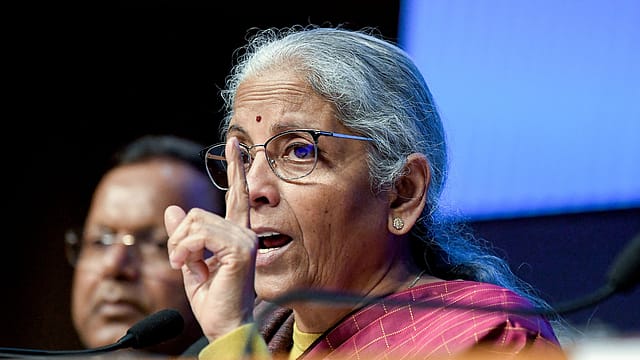
As Finance Minister Nirmala Sitharaman rose to present the Union Budget 2026–27, the message to industry was unmistakable: the government is betting on scale, stability, and long-term conviction.
The centrepiece of that bet is a 9% jump in capital expenditure to ₹12.2 lakh crore, a move designed to keep India’s infrastructure engine running at full throttle even as the government tightens its fiscal belt. Compared with ₹11.21 lakh crore last year, the expanded capex allocation reinforces public spending as the anchor of growth at a time of global uncertainty.
Corporate India responded with optimism.
Amisha Vora, Chairperson and Managing Director of PL Capital – Prabhudas Lilladher, called the rise in government capex “huge,” pointing to the strategic impact of a 21% increase in defence spending and the decision to grant tax exemptions for foreign investments in data centres until 2047. The latter, she said, provides rare long-term visibility for global investors. Simplified Income Tax and Customs rules, she added, should ease compliance and reduce friction for businesses.
The Confederation of Indian Industry (CII) welcomed the government’s ability to pair ambition with restraint. Chandrajit Banerjee, CII’s Director General, said the fiscal deficit target of 4.3% of GDP for FY27 is well aligned with the industry’s recommended glide path and strengthens confidence in India’s macroeconomic management.

Survival Instinct
22 May 2026 - Vol 04 | Issue 72
India navigates global economic turmoil with austerity and smart diplomacy
Equally important, Banerjee noted, is the government’s stated commitment to bring debt-to-GDP down to 50% by FY31, a signal that growth will not come at the cost of financial stability.
Infrastructure emerged as the clearest point of convergence between policy and industry expectations. CII estimates that when off-budget support is included, effective capital expenditure will exceed ₹17 lakh crore, a scale that can crowd in private investment, strengthen productivity, and lift competitiveness across sectors.
For Neetu Vasanta, India Leader for Travel, Cities and Infrastructure at BCG, the Budget marks a decisive shift—from simply building assets to building ecosystems. The emphasis on Tier 2 and Tier 3 cities, she said, could unlock the next wave of urban growth, while new instruments such as the Infrastructure Risk Guarantee Fund reflect a maturing investment environment that attracts private capital rather than relying solely on public spending.
Small businesses also found reassurance in the fine print. CII welcomed the ₹10,000 crore SME Growth Fund, alongside tighter integration of the Government e-Marketplace (GeM) with the TReDS platform. Together with simplified compliance, these measures are expected to improve access to finance, encourage formalisation, and boost competitiveness—critical levers for employment and inclusive growth.
Sector-specific reactions reinforced the broader mood. In textiles, Mehak Dhir, Managing Director and Partner at BCG, said the Budget signals a clear pivot toward global competitiveness, with cluster modernisation, sustainability, and the proposed Fibre Mission strengthening domestic value creation and positioning India to capitalise on the next wave of free trade agreements.
The tourism sector, too, was reframed as an economic engine rather than a soft add-on. Vasanta highlighted the government’s plan to skill 10,000 tourist guides and activate heritage clusters, turning destinations such as Sarnath and Hastinapur into global-scale cultural hubs. The approach, she said, reflects “nation-building with intent,” transforming travel into a powerful driver of jobs and local economies.
Taken together, industry’s response to Budget 2026 reflects a shared reading of the signals from North Block: growth will be driven by investment and not impulse. It will be driven by discipline and not drift.
(With inputs from ANI)