From IndiGo to L&T: Stocks That Crashed — and the Few That Survived — in Today’s Market Rout
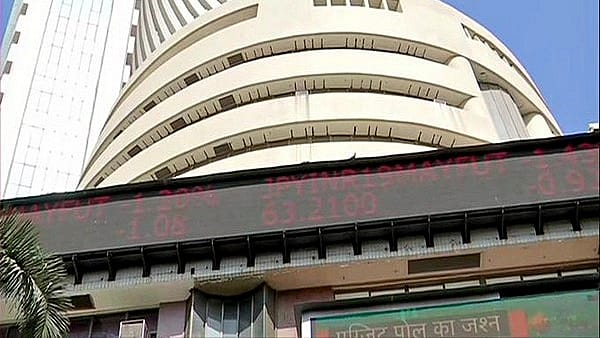
The Indian stock market delivered one of its sharpest single-session losses in recent memory, with the BSE Sensex plunging 1,048 points (1.29%) at 80,238.85 and the Nifty 50 crashing below the critical 24,865 mark (1.24%).
Here is every sector that bled - and the few that didn't.
What caused today's crash?
A geopolitical shockwave. The intensifying Middle East conflict disrupted key oil supply routes and forced the suspension of major international air corridors. This triggered a classic 'risk-off' selloff globally - investors dumped equities and fled to gold and bonds. India, as an oil-importing economy heavily exposed to global sentiment, felt the full force of it.
How bad was the damage to headline indices?
Reportedly one of the most volatile sessions in recent history. The Sensex shed 1,048 points and the Nifty 50 broke below the 24,865 support level. According to market trackers, midcap and smallcap indices fell even harder, with several stocks hitting their lower circuits by afternoon trade.
Which stocks crashed the hardest?
Aviation led the carnage. With reportedly over 400 flights cancelled across India due to airspace restrictions, IndiGo parent InterGlobe Aviation closed down to around 6.09% and SpiceJet’s performance was even more volatile. Hospitality stocks followed - Indian Hotels (IHCL) fell roughly 2.4% by the close. Both logistics firms Delhivery and Blue Dart faced minor drops each.

Travel Issue 2026
15 May 2026 - Vol 04 | Issue 71
The Cultural Traveller
What happened to oil and energy stocks?
Indian Oil Marketing Companies - BPCL, HPCL, and IOC - with intraday declines 5-7% each. According to market analysts, investors are not celebrating higher crude prices. They fear the government will force these companies to absorb the cost spike rather than pass it on to consumers at the pump, crushing their margins in the process.
Which other sectors were hit?
Paint and tyre stocks took a quiet but significant beating. Asian Paints, Berger Paints, and MRF all closed around 4-6% lower. These companies source their key raw materials directly from crude oil derivatives - so when oil surges, their costs surge and their margins shrink. IT stocks also retreated, with TCS and Infosys each falling roughly 1%, despite a stronger US dollar.
Larsen & Toubro (L&T) shares fell sharply by over 5-6%, driven by intense investor concern over its significant exposure to the Middle East, which represents roughly 37% of its order book, following heightened regional geopolitical tensions.
Was anything spared?
Defence stocks like HAL and Paras surged on contrarian buying, though Mazagon Dock stayed flat. Gold-linked Muthoot Finance gained as bullion hit records, while Titan's rise was capped by demand fears. Experts call this strategic "risk-off" repositioning, not optimism.
What did foreign investors do?
They sold - aggressively. Foreign Institutional Investors (FIIs) reportedly offloaded approximately ₹7,536.36 crore on the last trading day of February in the cash market in a single session. FIIs finished February as net sellers, marking their eighth consecutive month of outflows since July 2025.
The reasons cited were geopolitical instability and growing fears that the Reserve Bank of India may delay an anticipated interest rate cut. The FIIs are continuing to offload Indian equities as of early March 2026, extending a massive, year-long selling trend.
(With inputs from yMedia)