In Case of Malfunction, Please Slap Gently
Long before warranty cards, service centres and customer care, Indians invented a troubleshooting tool: the slap. Not slapstick comedy. Not a slap on the wrist. The original, physical chaanta.
And strangely, it wasn’t violent.
This slap wasn’t born of anger. It was born of hope. Not frustration, but faith, a belief that machines, like people, sometimes just need a firm reminder.
Here’s how it plays out.
A stubborn television earns a sharp chaanta. A coughing refrigerator gets two, for emphasis. A washing machine mid-tantrum receives a final, almost affectionate slap, then a pause. Silence. Fingers crossed.
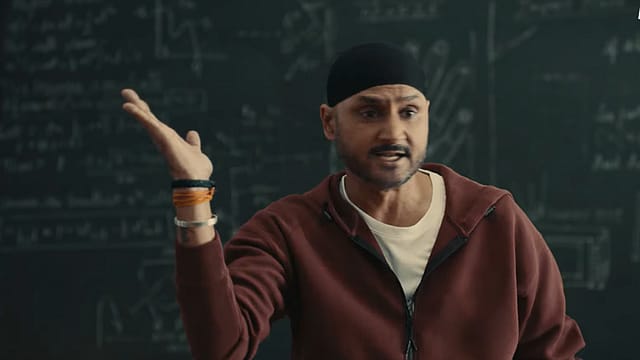
Flipkart’s Republic Day campaign opens inside this very Indian reflex. Not with discounts or deadlines. But with a habit so normalised it barely feels like behaviour. The slap isn’t frustration. It’s an unflinching faith that one more hit might save one more year.
And, conveniently, postpone a decision.
The chaanta works because it’s faster than thinking. It replaces uncomfortable questions—Is this still worth keeping? Should I replace it?—with instant action. No evaluation. No checkout. Just noise, hope and denial.
Flipkart clocks this behavioural shortcut and decides not to fight it but flip it.
The Abandoned Kejriwal
01 May 2026 - Vol 04 | Issue 69
Brain drain from AAP leaves Arvind Kejriwal politically isolated
The humour lands because the insight is painfully accurate. Most households have slapped an appliance. Many have repeated the ritual. Almost no one has paused to ask why this feels logical. The campaign doesn’t shame the instinct. It simply holds up a mirror and lets the audience recognise themselves mid-slap.
Enter Harbhajan Singh, and suddenly the slap has credentials.
His casting isn’t accidental. Singh’s public image still carries the cultural aftershock of Slapgate. The campaign leans straight into it. When Harbhajan confidently instructs people to hit their appliances, the exaggeration feels absurd yet believable. Authority, placed spectacularly in the wrong context, becomes the joke.
Then comes the quiet letdown.
The appliances don’t revive, the TV stays dead, and the fridge refuses to cooperate. No amount of aggression produces a resurrection.
The insight lands without being announced: some things stop working not because you didn’t try hard enough, but because they’re simply done.
From a business standpoint, this is a smart intervention. Large appliances remain one of the hardest categories to scale in Indian e-commerce. Replacement cycles are long, driven by emotional attachment and a deep-rooted repair mindset. Consumers delay replacement not due to price but because replacing feels unnecessary until it’s unavoidable.
Flipkart reframes that moment. Replacement isn’t indulgence. It’s acceptance.
The campaign is also built for social feeds, where recognition beats persuasion. As brand strategist Shubham Gune notes, attention today hinges on three things: stopping the thumb, earning relevance, and triggering shareability. A national cricketer asking people to slap their appliances checks all three boxes in seconds.
The advertisement draws inspiration from lived reality rather than overt persuasion. And this is what works. “Advertising rooted in human behaviour—habits, quirks and contradictions—sticks,” reckons Ashita Agarwal, professor of marketing at SP Jain Institute of Management and Research. Humour, she underlines, helps such messages remain memorable without feeling forced. Campaigns anchored in recognisable behaviour tend to travel further than those built around claims.
What the campaign hits is not frugality but muscle memory. Frugality creates value when it’s conscious. But when it becomes automatic, it quietly taxes comfort, efficiency and time. The chaanta feels economical but often just delays better outcomes.
Eventually, the slap stops fixing things and starts revealing them. So, here’s a rhyming takeaway from Flipkart’s campaign: Slap it once, slap it twice or make a choice that’s actually nice.
Happy Republic Day.