Azadi Reloaded: How Brands Are Rewriting Independence Day Advertising
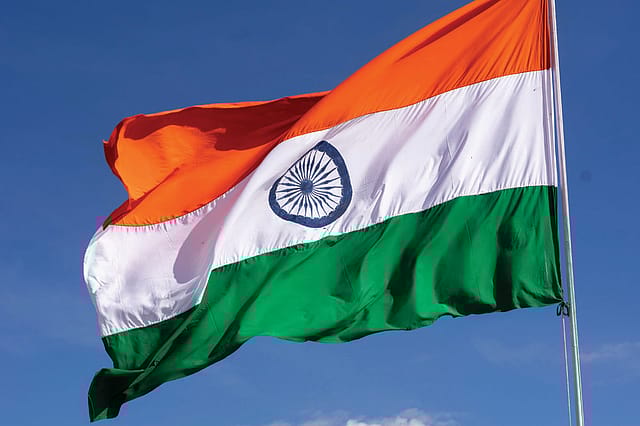
Every August 15, Indian advertising traditionally turns to familiar symbols of patriotism: the Tricolour, soldiers, fighter jets and national songs. But brands are increasingly looking beyond these familiar tropes to explore what freedom means in everyday life.
From humour and travel to financial resilience and basic dignity, these five campaigns offer different interpretations of independence. (The numbering below is only for ease of reading and does not indicate a ranking or suggest that one campaign is better than another.)
1. Flipkart: “Loot the British Raj”
Flipkart turned colonial history into satire with its “Loot the British Raj” campaign for the Flipkart Freedom Sale. The film begins like a serious historical retelling before introducing a modern-day “Raj” from England. Wordplay around “lagaan”, “Simon Go Back” and “Quit India Tea” turns the campaign into an interactive social media hunt for discount coupons.
Rise of the Pivotal Power
18 Sep 2026 - Vol 05 | Issue 38
The BRICS declaration is a strategic victory for Modi
By replacing solemnity with humour and participation, Flipkart made its Independence Day sale part of the cultural conversation.
2. redBus: “Freedom Bottle”
redBus took a more grounded approach with its “Freedom Bottle” campaign under the Travel Equal platform. It highlighted how women often reduce their water intake during long journeys because of limited access to clean and safe restrooms.
The campaign connected this everyday restriction to the larger idea of freedom and equal travel, while pointing to buses with built-in toilets as a practical solution.
3. The World at Jubilee Hills: “The Sound of India”
“The Sound of India” moved away from conventional patriotic music to build an acoustic portrait of the country using 50 real-world sounds.
From chai being prepared and temple bells to train rumbles, a newborn’s cry and stadium cheers, the film presented patriotism through the sounds of everyday India. The campaign made national identity feel intimate rather than ceremonial.
4. ixigo: “Dekho Toh Sahi”
ixigo approached Independence Day through travel and discovery. The film opens with the question, “Is desh mein rakha kya hai?” before taking viewers across India’s landscapes, wildlife, food and heritage.
Its closing thought shifts the conversation from what India has to offer to how much of the country people have actually explored. For a travel brand, freedom becomes synonymous with mobility and curiosity.
5. Edelweiss Mutual Fund: “Hum Honge Kaamyab”
Edelweiss Mutual Fund interpreted independence through personal resilience and self-reliance. Set to a rendition of “Hum Honge Kaamyab”, the campaign followed people dealing with setbacks, including an athlete facing rejection and an entrepreneur struggling to keep a school running.
Rather than presenting freedom as a national abstraction, the campaign connected it to the everyday determination to overcome financial and personal obstacles.
Together, these campaigns show how Independence Day advertising is moving beyond flags, fighter jets and familiar patriotic imagery. The newer language of freedom is more personal: the freedom to travel, explore, laugh, persevere and live with dignity.
For brands, the opportunity lies in making patriotism feel less like a declaration and more like an experience rooted in everyday India.