One More Shot: What is Apple Still Trying to Prove with ‘Shot on iPhone’?
The picture was impressive. Then you discovered what had taken it.
A phone?
That second look was the genius of Shot on iPhone. The photograph caught your attention; the disclosure changed your estimation of the device. There was a small, pleasurable shock in the distance between what you expected a phone to produce and what Apple had put before your eyes.
Eleven years later, how much of that distance remains?
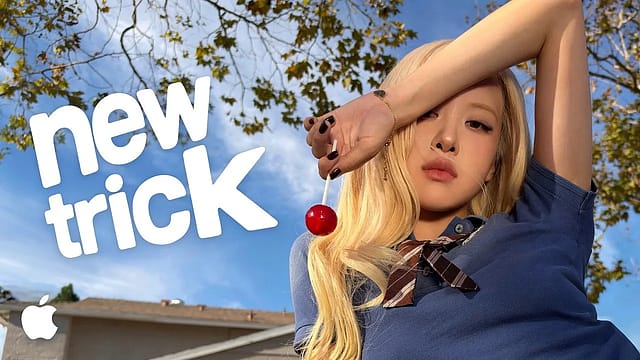
Enter Rosé. The BLACKPINK singer’s music video, new trick, directed by Dave Meyers and filmed on the iPhone 18 Pro, gives Apple’s familiar proposition another glamorous outing. The accompanying campaign also reveals some of the professional equipment behind the production. The phone gets its demonstration; the demonstration gets a pop star.

Zeroing In on ECI
09 Oct 2026 - Vol 05 | Issue 41
Constitutional legitimacy versus political opportunism
But does learning that it was shot on an iPhone still produce that lovely moment of disbelief?
An audience can admire the video, adore Rosé and appreciate the filmmaking without being remotely startled by the camera credit. For a campaign built around the revelation of its instrument, that distinction matters.
Apple may still have plenty to show us. The more awkward question is whether it is showing us something we no longer find unexpected.
When proof becomes expectation
In 2015, Apple put photographs taken by iPhone users on billboards, making the output the advertisement. A specification asked buyers to understand a claim. A photograph let them inspect the result.
There was an invitation inside the demonstration, too. Somebody had made this with an iPhone. Perhaps you could.
The platform could sell capability and possibility in three words. It did not need a paragraph explaining why the camera deserved attention. The image and its provenance did the work.
Success, however, can consume the surprise that helped create it. Every convincing instalment teaches the audience to expect more from the next one. Eventually, “This was shot on an iPhone?” risks becoming “Of course it was.”
That would be a victory for the product and a complication for the advertising.
The camera has earned credibility. The campaign must find a fresh way to make that credibility interesting.
Marketing and branding experts reckon that a successful demonstration can eventually turn its own achievement into an expectation. “The brand then has to show why the next improvement matters to the customer,” says Ashita Aggarwal, professor of marketing at SP Jain Institute of Management & Research.
The challenge is, therefore, more demanding than producing another beautiful image. Can Apple make the viewer reconsider what an iPhone can do?
A better camera can take a better shot. It cannot automatically restore a first impression.
Has the star inherited the surprise?
Rosé gives people a reason to watch that has nothing to do with their next handset purchase. Fans come for the artist and encounter Apple’s camera along the way.
That is a persuasive evolution of the format. A product demonstration becomes entertainment people actively seek out. The iPhone enters a cultural occasion instead of waiting for the audience to become interested in camera specifications.
But it also introduces a delicious uncertainty. Where does the excitement belong?
Is the revelation that an iPhone made this possible? Or is the attraction Rosé, with the phone receiving a credit alongside the people who made the video?
Those responses can coexist. They need not be equally valuable to Apple.
Celebrity does not invalidate the demonstration. Nor does professional equipment: a phone can be a capable filmmaking tool without replacing lighting, direction or craft. But the grander the production becomes, the more there is for the viewer to admire besides the device.
The original proposition could make an ordinary object feel unexpectedly extraordinary. A pop spectacle arrives with extraordinary already built into the brief.
Rosé may bring fresh eyes to Shot on iPhone. The question is whether those eyes widen at the same thing.
Everybody has a director now
Apple is also operating in a category that has learned to stage its own camera revelations.
Samsung enlisted Ridley Scott for Behold, filmed on the Galaxy S23 Ultra and showcased at its 2023 launch. A celebrated director and a cinematic production supplied another handset with filmmaking credentials.
As competitors produce impressive films, the fact that a phone can do this becomes harder for any one brand to present as astonishing. The audience may still debate which camera is better while accepting the category’s basic capability.
That raises a tougher advertising question: what, specifically, should surprise us this time?
Apple’s own archive complicates the answer. Its 2019 photography challenge celebrated winning images made on devices ranging from the iPhone XS Max back to the iPhone 7. Even an older model could produce work the company wanted on a billboard.
That is excellent evidence for the platform’s enduring promise. It also means the latest campaign is competing with years of persuasive work from its own predecessors.
The upgrade question enters here. Someone can believe in Apple’s cameras and already own one. Another accomplished film may confirm their judgement without changing their expectations—or their phone.
There is something almost comic about watching the latest demonstration on an older iPhone and feeling thoroughly reassured about both.
Apple has made its case. Perhaps a little too well.
Another shot at wonder
Yet demanding that every execution reproduce the shock of 2015 would set the campaign an impossible test. Familiarity has commercial value. An established platform can reinforce an association, reward owners and reach audiences encountering it for the first time.
It can also find new things to reveal.
Apple’s 2022 macro photography challenge invited iPhone 13 Pro and Pro Max users to explore close-up images. A particular capability gave the familiar line a fresh subject: details people could now discover for themselves.
That is a stronger defence than longevity alone. The platform can remain useful when each instalment gives the audience something new to notice, attempt or understand.
“Consistency has value when each execution gives people a fresh reason to care,” says Aggarwal. Familiarity becomes a weakness when the audience recognises the format but cannot identify what it has newly learned.
Rosé supplies a new face, a new song and a new occasion. Those are legitimate reasons to return. Whether they renew the camera revelation is a separate question.
Shot on iPhone helped make extraordinary phone photography believable. Its predicament is that believable can eventually become expected.
The pictures can keep getting better while the disclosure becomes less remarkable. Apple taught us to believe our eyes. Now it has to make them widen again.