Why Thousands of Afghan Migrants Are Returning Home From Pakistan and Iran
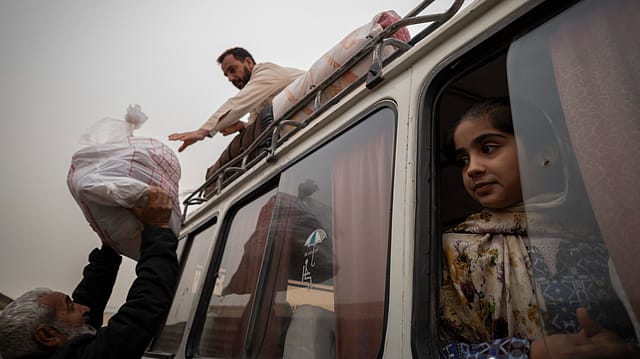
Afghanistan has witnessed a sharp rise in returning migrants over the past three months, with nearly 94,000 families coming back from Iran, Turkey, and Pakistan.
More than 88,000 families returned from Pakistan alone, highlighting the scale of deportations and voluntary exits from neighbouring countries.
UN Flags Widening Return Trends
The United Nations High Commissioner for Refugees (UNHCR) has reported that nearly one million Afghan migrants returned from Pakistan over the past year.
Currently, close to 2,000 people are entering Afghanistan every day, underlining the continuing pace of migration reversals.
Government Support for Returnees
Afghanistan’s Ministry of Refugees and Repatriation says it is providing basic assistance to returning families. Support includes food supplies, healthcare services, free SIM cards, cash assistance worth over 977 million afghanis. Officials say these measures aim to ease the immediate transition for displaced families.
Concerns Over Long-Term Reintegration
Despite short-term aid, migrant rights activists argue that current efforts fall short of sustainable solutions. Experts stress that return should be informed and voluntary, backed by access to jobs and income, housing, education and healthcare.

The Grand Design
17 Jul 2026 - Vol 05 | Issue 29
How the Modi government is planning to get its biggest political agenda passed in Parliament
Without these, returnees risk falling into long-term poverty and instability.
Calls for Phased and Managed Deportations
Activists have urged regional governments to slow down and regulate deportations. They warn that sudden, mass expulsions could overwhelm Afghanistan’s limited infrastructure and trigger humanitarian crises.
Allegations of Mistreatment in Host Countries
Several returnees from Pakistan have alleged harassment, detention, and extortion by local authorities. Women, children, and elderly migrants were reportedly among those detained, raising serious human rights concerns.
Voices From the Returnees
Deported migrants have shared accounts of hardship and abuse. Many claim their money was confiscated during detention, forcing them to return under distressing conditions and financial strain. Sharing their experiences, Anargul, who was deported from Pakistan, said, “They detain us, mistreat us, and take money. Women, children, and the elderly are also detained.”
Homayoun, another deportee, said, “We have just returned. The Pakistani government subjected us to hardship, and when they detained us, they took our money. That is why we suffered and came back.”
A Growing Demographic Impact
UNHCR data shows that since December 2023, more than 4.8 million Afghan migrants have returned. This wave has increased Afghanistan’s population by nearly 12 per cent, placing added pressure on housing, jobs and public services.
Why This Matters for Afghanistan’s Future
The mass return of migrants is reshaping Afghanistan’s social and economic landscape.
Without coordinated international support and long-term planning, the country risks facing deepening unemployment, poverty, and social instability among returnee communities.
(With inputs from ANI)