Why Nepal Voted for Change: Inside the Balen Shah Wave in Nepal Election Results 2026
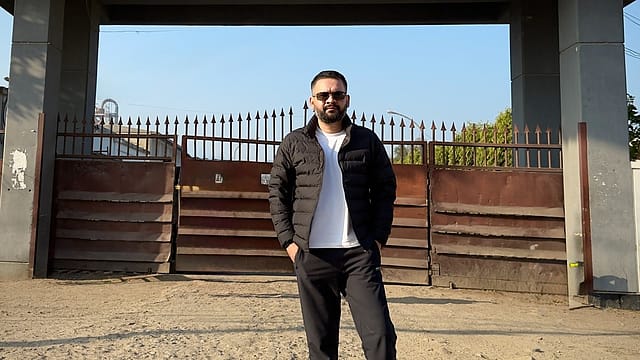
Nepal’s political map has been torn up. The Nepal election results 2026, with proportional representation tallies still trickling in, have handed a crushing mandate to the Rastriya Swatantra Party. Founded just four years ago by former TV journalist Rabi Lamichhane and now spearheaded by rapper-turned-politician Balendra "Balen" Shah, the RSP has demolished parties that alternated power in Kathmandu since the 1990s.
Here is the full story of what happened, how it happened, and what comes next.
Who Is Leading the Nepal Election Results 2026?
With counting still underway, the Rastriya Swatantra Party has so far won 125 of the 165 directly elected seats. The Nepali Congress is a distant second with 18 seats, while the CPN-UML has won eight. With proportional representation ongoing, the RSP is trending towards roughly 175 seats in total.
How Does Nepal's Parliament Actually Work?
Nepal elects 275 members to its House of Representatives through two separate ballots. Voters choose a candidate directly in one of 165 constituencies, and separately choose a party for the remaining 110 seats allocated through proportional representation. A party needs at least 138 members to form a government. The RSP has already cleared that bar from direct seats alone.
What Happened to KP Sharma Oli?
The most symbolic result came from Jhapa-5, Oli's own backyard, where Balen Shah won with 68,348 votes against Oli's 18,734. Nepali Congress president Gagan Thapa also lost to an RSP candidate in Sarlahi-4. Dozens of establishment figures failed to cross the mandatory ten per cent threshold and lost their deposits.

Global By Design
29 May 2026 - Vol 04 | Issue 73
Is the future of fashion Indian?
Who Built the RSP and How?
The party was founded in June 2022 by Rabi Lamichhane, a television journalist known for confrontational public-focused reporting. Lamichhane won Chitwan-2 for a third consecutive time, securing 54,402 votes, and serves as party president. Shah leads as the prime ministerial candidate, with roles split through a formal seven-point alliance deal.
Who Is Balen Shah?
Shah, 35, is a structural engineer and rapper who shocked Nepal in 2022 by winning the Kathmandu mayoral race as a political outsider, beating candidates from both the Nepali Congress and CPN-UML. His music, which targeted corruption and political dysfunction, made him a youth icon well before he entered formal politics.
His partnership with Lamichhane was later formalised through a seven-point deal dividing leadership responsibilities.
What Triggered This Snap Election?
Youth protests in September 2025 forced Prime Minister Oli to resign after a crackdown that left dozens dead. The protests began over a social media ban and quickly escalated into a revolt against corruption and unemployment.
Nepal's President announced snap polls on September 12, 2025, with former chief justice Sushila Karki appointed as interim prime minister to oversee the transition.
How Many People Voted?
Nepal recorded nearly 60 per cent voter turnout, with around 19 million registered voters participating. More than 3,400 candidates from 68 parties contested the Nepal election. Both polling day and the counting process have proceeded without major incident, a significant achievement given the turbulence of the preceding months.
What Has the Region Said?
Both India and China responded swiftly. India's Ministry of External Affairs said it looks forward to working with the new government to build on robust bilateral ties. China's foreign ministry said Beijing is glad to see Nepal advance its political agenda smoothly. Early engagement from both capitals will matter as government formation begins.
What Comes Next for Nepal?
Proportional representation counting is still in progress, after which Nepal will formally begin government formation. If projections hold, Balen Shah will become the youngest prime minister in Nepal's history at 35.
For a country that has cycled through more than a dozen governments in 35 years, the Nepal election results 2026 have handed the RSP something rare: a genuine majority and no excuses.
(With inputs from yMedia)