Why Bomb Cyclones Are Among the Most Dangerous Winter Storms
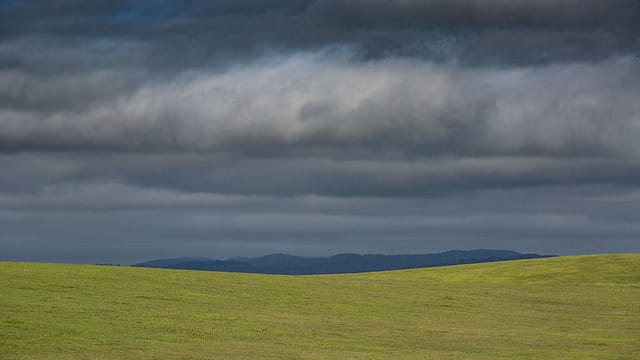
The US East Coast is bracing for a volatile winter onslaught. Meteorologists are tracking a rapidly strengthening bomb cyclone that could unleash blizzard conditions, damaging winds, and coastal flooding this weekend.
Here’s what makes this storm so dangerous and what to expect.
What exactly is a bomb cyclone?
A bomb cyclone forms through bombogenesis, a process in which a storm’s central pressure drops by at least 24 millibars within 24 hours. This rapid intensification supercharges winds and precipitation.
Why does this weekend’s East Coast storm qualify as a bomb cyclone?
Forecast models show the storm’s central pressure plunging rapidly as it tracks north along the Atlantic coast, transforming an ordinary low-pressure system into a powerful winter cyclone.
When did scientists begin identifying bomb cyclones?
The term entered meteorological research in the 1940s, though the phenomenon has occurred for centuries. Advances in satellite imaging and forecasting now allow earlier detection and more accurate warnings.
Which regions face the greatest risk?
The storm is expected to impact areas from the Mid-Atlantic to New England, with states from Virginia to Maine facing the highest risk of snowfall, damaging winds, and coastal flooding.

Exclusive: To the Heavens and Back
19 Jun 2026 - Vol 04 | Issue 76
Shubhanshu Shukla relives the space odyssey that put India into orbit
What weather conditions should residents expect?
Forecasters warn of:
Heavy snowfall, exceeding 12 inches in some regions
Wind gusts of 50–70 mph, especially along the coast
Coastal flooding during high tides
Blizzard conditions with dangerously low visibility
Has the US East Coast seen bomb cyclones before?
Yes. Notable examples include the 1993 “Storm of the Century” and the 2018 bomb cyclone, which brought hurricane-force winds, record cold, and widespread power outages.
Why are bomb cyclones especially dangerous?
Their speed is the biggest threat. Rapid intensification leaves little time to prepare, while the sharp pressure drop fuels powerful winds, intense snowfall, and storm surges in coastal areas.
How are authorities preparing for this storm?
State and local agencies have activated emergency operations centres, pre-positioned snow-clearing and power restoration crews, and urged residents to avoid non-essential travel during peak conditions.
What should residents do to stay safe?
Officials recommend:
Securing loose outdoor items
Stocking food, water, and medications for at least 72 hours
Charging electronic devices
Keeping vehicles fueled
Monitoring official weather alerts continuously
Residents in coastal zones should be prepared for evacuation advisories if conditions worsen.
When will the storm be most intense?
Forecasts indicate the storm will intensify on Saturday and reach peak strength on Sunday, when snowfall, winds, and coastal impacts are expected to be most severe.
(With inputs from yMedia)