What Are Dopamine Sites? The South Korean Online Craze Going Viral Worldwide
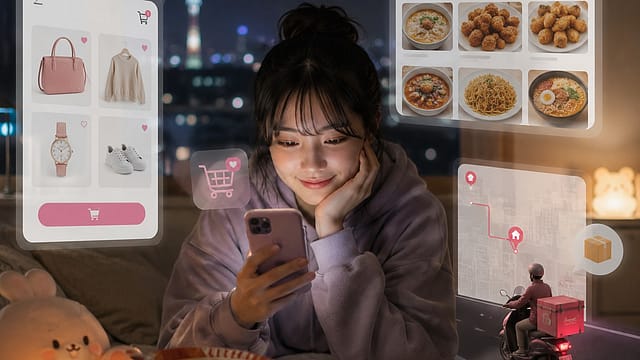
South Korea has a new Internet obsession and it involves shopping for things you will never buy, ordering food that will never arrive, and feeling oddly satisfied about all of it. Dopamine sites recreate the full experience of online shopping and food delivery without any actual transaction. They’re spreading fast among young South Koreans, and the rest of the world is beginning to take notice.
What Is a Dopamine Site?
A dopamine site is a platform that simulates real online experiences such as browsing products, adding items to a cart, or tracking a delivery, without any money changing hands. The experience is designed to replicate the emotional loop of online shopping, minus the purchase.
Where Did This Idea Come From?
The trend traces back to South Korean developer Malhee, who reportedly built one of the earliest examples after noticing they kept opening and closing food delivery apps late at night without ever ordering anything. They turned that restless habit into a product, and it resonated immediately.

Losing Memory
16 Oct 2026 - Vol 05 | Issue 42
The making of a medical and social emergency
Which Dopamine Site Is Everyone Talking About?
The most discussed example is FoodNeverComes, a fake food delivery app that looks and functions exactly like the real thing. Users can scroll menus, customize orders, and even watch a virtual courier moving toward them. The courier, of course, never arrives.
Why Does Pretend Shopping Feel So Satisfying?
Psychologist Dr Gabrielle Schreyer-Hoffman explained that users are attempting to satisfy the urge to shop by engaging in the behaviour itself, even without completing the transaction, as per Mashable. The brain responds to the ritual as much as the reward.
Is This Just Food or Has It Gone Further?
The dopamine site format has expanded beyond food delivery. Some platforms recreate online shopping experiences entirely. Others simulate a smoke break, offering a short digital pause without a cigarette. The category is quietly becoming its own genre.
Could This Signal a Wider Shift in How People Spend Online?
South Korea has consistently incubated internet trends before they go global, from delivery super-apps and esports to virtual influencers and AI companions. Intense academic and workplace pressures have long shaped distinctive digital habits there.
Dopamine sites may be the latest export. The behaviour they target, filling a cart only to close the tab, is near-universal. That’s precisely why this trend is unlikely to stay local for long.
(With inputs from yMedia)