US Arms Deal, Trump Visit Add Fuel to Escalating China-Taiwan Crisis
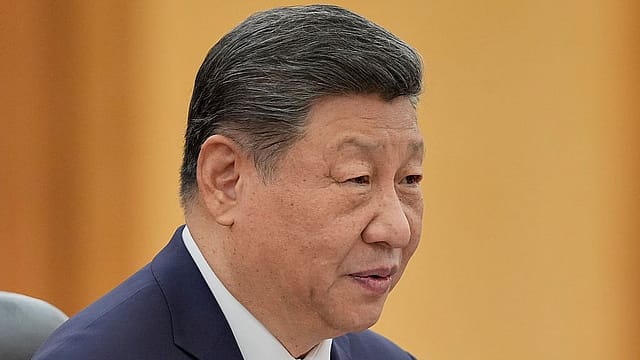
China conducted its largest-ever military drills around Taiwan at the close of 2025, turning the Taiwan Strait into a geopolitical flashpoint. A stalled US arms deal, rival summits and an impending Donald Trump visit to Beijing have since added fresh urgency to an already volatile China-Taiwan standoff.
What Triggered the Current Round of Tension?
China's "Justice Mission 2025" military drills encircled Taiwan with 14 warships, 14 coast guard vessels and 130 aircraft in a simulated blockade. The People's Liberation Army (PLA) fired 27 rockets, with 10 landing within Taiwan's contiguous zone, the closest live-fire activity to the island in recorded history.
Why Does China Claim Taiwan at All?
Beijing insists China-Taiwan unification is non-negotiable under the One China principle, rooted in the 1949 civil war. Taiwan functions as a self-governed democracy with its own military, constitution and elected government. The Taiwan Strait is now described internationally as one of the most dangerous places on earth.
What Is the US Doing About It?
The US State Department urged Beijing to cease military drills near Taiwan, calling them unnecessarily destabilising to the Taiwan Strait. In December 2025, Trump announced an $11.1 billion arms sale to Taiwan, which alarmed Beijing. A further package has since stalled ahead of Trump's planned Beijing visit.

Global By Design
29 May 2026 - Vol 04 | Issue 73
Is the future of fashion Indian?
What Is the Latest Diplomatic Move?
Kuomintang (KMT) Chairperson Cheng Li-wun accepted Xi Jinping's invitation to visit Jiangsu, Shanghai and Beijing from April 7 to 12, the first such visit by a KMT chair in a decade. Trump confirmed a Beijing visit on May 14 and 15. RAND Corporation warned Beijing could leverage rare earth concessions to soften US support for Taiwan.
How Are Grey-Zone Tactics Shifting the Rules?
China has conducted seven major military drills around Taiwan since August 2022, each pushing deeper into previously unchallenged zones. Beijing now targets Taiwan's 12-nautical-mile contiguous zone in the Taiwan Strait, which Chinese vessels largely respected for decades.
What Would a Conflict Cost?
The German Marshall Fund estimates a major China-Taiwan conflict could cost the PLA 100,000 troops, while triggering sanctions, economic disruption and semiconductor supply chain collapse. Taiwan produces the bulk of the world's most advanced chips. The fund warns such a war could set Xi Jinping's China back decades on the global stage.
(With inputs from yMedia)