#ThisDayThatYear: How a Search for Better Gun Barrels Led to the Invention of Stainless Steel
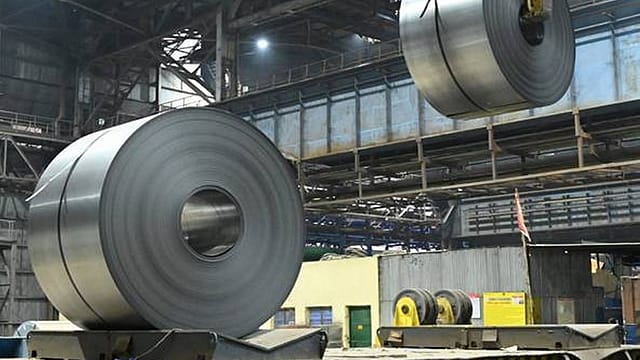
On August 13, 1913, a routine experiment in a Sheffield laboratory produced a discovery that would quietly transform the modern world. British metallurgist Harry Brearley, while searching for a steel alloy that could better withstand the intense heat and wear inside gun barrels, created what is widely regarded as the world's first true stainless steel.
The alloy contained around 12.8 per cent chromium, a composition that gave it an unexpected quality. Unlike conventional steel, it resisted rust and corrosion. Brearley initially called it "rustless steel", not fully realizing that the accidental breakthrough would become one of the most widely used engineering materials of the next century.

The Identity Project
11 Sep 2026 - Vol 05 | Issue 37
Amit Shah leads the mission for a national demographic correction
The timing was significant. Europe stood on the brink of the First World War, and industrial innovation was accelerating. Brearley's research was commissioned to improve military equipment, but its greatest impact would eventually be felt far beyond the battlefield.
At first, manufacturers struggled to find practical uses for the new alloy. It was difficult to machine compared to ordinary steel, and many remained unconvinced of its commercial potential. That changed when its resistance to corrosion made it ideal for products exposed to moisture, chemicals and high temperatures. Cutlery manufacturers in Sheffield were among the first to embrace the material, giving stainless steel an early commercial success.
Over the following decades, stainless steel became indispensable across industries. Hospitals adopted it for surgical instruments and medical equipment because it could be sterilised easily. Architects and engineers incorporated it into bridges, skyscrapers and public infrastructure for its durability and low maintenance. The food processing industry relied on it for hygienic manufacturing, while aerospace, automotive and energy sectors turned to it for components that could withstand extreme conditions.
Today, stainless steel is so commonplace that its significance is often overlooked. It is present in kitchen sinks and cookware, railway coaches, aircraft engines, water treatment plants, smartphones, medical implants and even renewable energy infrastructure. Its ability to resist corrosion has extended the lifespan of countless products while reducing maintenance costs and material waste.
Although several researchers in Europe had experimented with chromium alloys before him, Harry Brearley's work in 1913 is widely credited with marking the birth of practical stainless steel. More than a century later, his discovery remains one of the defining materials of modern engineering—a reminder that some of history's greatest innovations emerge not from a search for fame, but from solving an everyday industrial problem.