New Routes for Strait of Hormuz? Iran and Oman Reach an Understanding
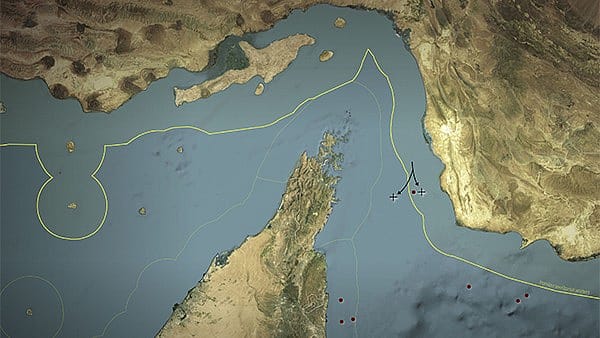
Iran and Oman have agreed on the details of new entry and exit routes for the Strait of Hormuz, according to a report by Xinhua News, with the outcome of the consultations set to be presented to Gulf countries at a regional meeting in Muscat on Monday.
The development comes amid heightened tensions in West Asia and renewed international attention on the strategic waterway, a critical route for global trade and energy supplies.
Iranian and Omani officials reached an understanding on the proposed routes following consultations, the report said. The details are expected to be shared with other Gulf countries during the regional meeting in Oman’s capital.
What is the latest development in the Strait of Hormuz?
Iran and Oman have agreed on the details of new entry and exit routes for vessels passing through the Strait of Hormuz, according to Xinhua.

Zeroing In on ECI
09 Oct 2026 - Vol 05 | Issue 41
Constitutional legitimacy versus political opportunism
The proposed arrangements are expected to be discussed with Gulf countries in Muscat on Monday.
The development comes at a time of heightened regional tensions, with stability and security in West Asia remaining a major concern for countries in the region and the wider international community.
Why is the Strait of Hormuz important?
The Strait of Hormuz is one of the world's most strategically important waterways and remains a crucial passage for international trade and energy supplies.
Any developments affecting navigation through the waterway can draw significant regional and global attention because of its importance to the movement of energy and commercial shipments.
The proposed new entry and exit routes come as countries in the region focus on maintaining stability and ensuring the smooth movement of trade.
What did Iranian President Pezeshkian say about BRICS and sanctions?
Against the backdrop of regional tensions, Iranian President Masoud Pezeshkian said BRICS was created to challenge what he described as a unilateral sanctions regime led by the United States.
Speaking to India Today on the sidelines of the BRICS Summit in New Delhi, Pezeshkian said BRICS members should develop alternative mechanisms for trade and cooperation that are not affected by sanctions imposed by individual countries.
He said the grouping should support greater economic cooperation among its members and work together against unilateralism.
According to Pezeshkian, the objective was to change the nature of economic interactions and trade so that countries were not dependent on systems that could be affected by unilateral sanctions.
What is the BRICS position on the West Asia situation?
BRICS countries have reached a consensus that dialogue and diplomacy should be central to addressing conflicts and tensions in West Asia.
Secretary (Economic Relations) in the Ministry of External Affairs Sudhakar Dalela said BRICS members had developed an agreed approach despite their diverse economic systems and development experiences.
He said dialogue and diplomacy were the key principles for resolving conflicts and building lasting peace, security and stability.
The consensus was reflected in the New Delhi Declaration 2026, which was unanimously adopted by BRICS leaders at the 18th BRICS Summit in New Delhi.
What does the New Delhi Declaration say about tensions in West Asia?
The declaration expressed deep concern over the continued escalation of tensions in West Asia and called on all sides to exercise maximum restraint and avoid actions that could worsen the situation.
BRICS leaders also called for the protection of civilians and civilian infrastructure and stressed the importance of respecting sovereignty and territorial integrity.
The declaration emphasised the need for greater efforts through dialogue and diplomacy to achieve lasting peace, security and stability in the region.
It also underlined the importance of maintaining the smooth flow of global trade, supply chains and energy in accordance with international law.
As Iran and Oman prepare to present the details of the proposed new Strait of Hormuz routes to Gulf countries, the development comes amid wider diplomatic efforts to address regional tensions and maintain stability in one of the world's most strategically significant regions.
(With inputs from ANI)