Sneezing Season Is Here: 5 Science-Backed Ways to Beat Seasonal Allergies
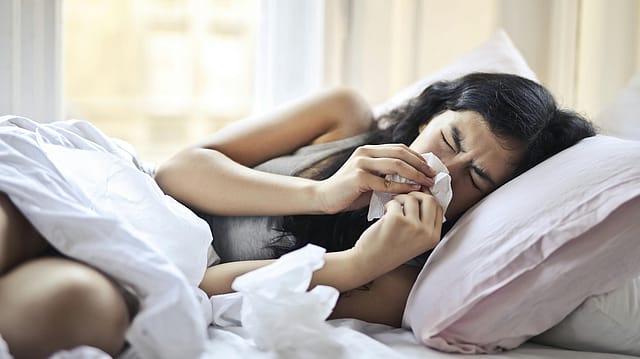
Every year, as trees bloom and winds carry pollen, millions brace for the familiar misery of seasonal allergies.
According to the Mayo Clinic, most sufferers underestimate how significantly daily habits can worsen or ease allergy symptoms.
A handful of evidence-based strategies can make a meaningful difference.
Know Your Allergy Triggers
Seasonal allergies, or hay fever, occur when the immune system overreacts to airborne allergy triggers like pollen from trees, grasses, and weeds.
Identifying your specific triggers is the first step toward managing them effectively.
Not All Days Are Equal Outdoors
Timing matters. According to the Mayo Clinic, pollen counts peak on dry, warm, and windy days.
Checking daily pollen forecasts before heading out is a simple but effective habit. When outdoors, wraparound sunglasses and a mask reduce pollen reaching your eyes and airways.
The Post-Outdoor Shower Rule You Are Probably Ignoring
More than most people realise, pollen clings to hair, skin, and clothing.
Rinsing off immediately after coming indoors and changing clothes prevents pollen from spreading to furniture and bedding.
Based on Renown Health, keeping the bedroom pollen-free is especially important given how much time is spent asleep.

The Abandoned Kejriwal
01 May 2026 - Vol 04 | Issue 69
Brain drain from AAP leaves Arvind Kejriwal politically isolated
Start Your Medication Before the Season Starts
Earlier than you think. Starting nasal corticosteroid sprays a few weeks before peak season lets medication build up before heavy pollen exposure.
As per Mayo Clinic, second-generation antihistamines like cetirizine and loratadine are effective and cause far less sedation than older options.
Proactive dosing consistently outperforms reactive treatment for allergy symptoms.
Your Home Could Be Making Symptoms Worse
Running air conditioning instead of opening windows keeps pollen out and reduces indoor humidity.
According to the Northeast Allergy, Asthma, and Immunology centre, a bedroom HEPA air purifier and a HEPA-fitted vacuum can significantly cut indoor allergen load, trapping particles as small as 0.3 microns.
The Underrated Power of Nasal Rinsing
Nasal saline rinses flush pollen and mucus directly from nasal passages.
Regular rinsing reduces both congestion and medication dependence, with no side effects.
When Home Remedies Are Not Enough
If allergy symptoms persist beyond two weeks or disrupt sleep and daily function, consult an allergist.
Allergen immunotherapy, reportedly effective for chronic sufferers, gradually retrains the immune system for long-term relief.
Seasonal allergies may be inevitable, but their severity is not. With the right habits and timely treatment, managing allergy symptoms is well within reach.
(With inputs from yMedia)