QUICK TAKE | Seven Things to Know About the Patriot Missiles Ukraine Wants
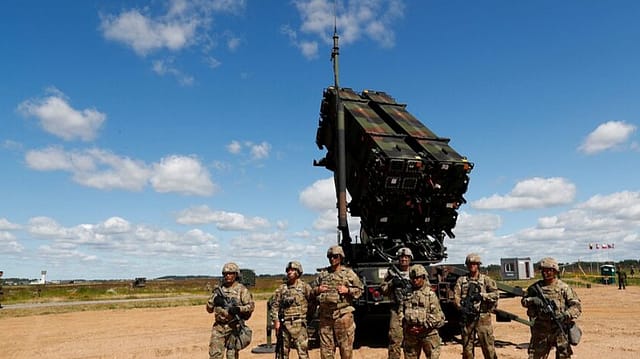
1. What is the Patriot system, and what does its name mean?
Patriot stands for Phased Array Tracking Radar to Intercept on Target. It is an American-made, mobile surface-to-air missile-defence system that fires missiles from the ground to intercept aircraft and incoming missiles. Raytheon, now part of RTX, is the system’s lead contractor. Lockheed Martin makes the PAC-3 interceptor missiles.
2. When was it first used in combat?
Patriot first saw combat during the 1991 Gulf War, when batteries were deployed to protect Saudi Arabia, Kuwait and Israel. It was used again during the US-led invasion of Iraq in 2003. Repeated upgrades have substantially changed its equipment and missiles since those early deployments.
3. What does a Patriot battery contain?
A battery, the basic firing unit, combines radar, a control station, power generators, launchers, missiles and support vehicles. Radar detects and tracks a threat. The control station coordinates the response, and a launcher fires an interceptor. Tracking information helps guide the defensive missile towards its target.
4. Do all Patriot missiles work the same way?
The interceptor families use different methods. PAC-2 missiles explode near a target, scattering fragments to destroy it. PAC-3 missiles use “hit-to-kill” technology, colliding directly with the threat. Ukraine’s proposed purchase covers the PAC-3 Missile Segment Enhancement, or MSE, version, which improves range and manoeuvrability over earlier PAC-3 missiles.

Look Who's Talking Regime Change
23 Oct 2026 - Vol 05 | Issue 43
5. Can it protect an entire country?
A Patriot battery protects selected locations and assets within its coverage. Terrain, radar coverage, positioning and the incoming threat affect what it can defend. Commanders must choose where protection is most needed. Large barrages can also overwhelm finite air-defence resources, making ammunition reserves and other defensive systems important.
6. Why are more missiles difficult to obtain?
Demand requires factories and suppliers to expand. Lockheed Martin reported delivering 620 PAC-3 MSE interceptors in 2025. Its January 2026 framework aimed to increase annual capacity from approximately 600 to 2,000, supported by investment in facilities, suppliers and workers. That expansion takes time, even when customers can pay.
7. What does the latest approval mean for Ukraine?
The proposed purchase would replenish interceptor ammunition. Reuters reported, citing two people briefed on the decision, that the new missiles still need manufacturing and are not expected until the early 2030s. Kyiv wants partners to transfer existing missiles sooner and receive replacements later. Whether they agree will shape the help available this winter.