Nvidia reinstates Jensen Huang as CEO: How the AI giant reversed its decision amid spy scandal
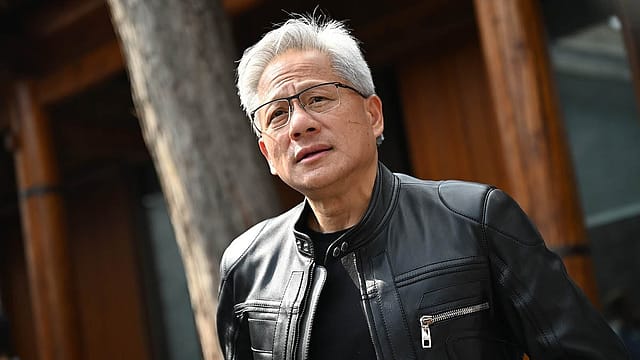
Just days ago, Nvidia appeared ready to move on from Jensen Huang. Now, the man who turned the chipmaker into the world's most valuable AI powerhouse is back in the saddle. The company's board has reinstated Huang as President and Chief Executive Officer, reversing its earlier decision to accept his resignation and begin searching for a successor.
The announcement marks a dramatic turn in a corporate crisis that has placed Nvidia's leadership, governance and national security questions under scrutiny.
Why Nvidia reinstated Jensen Huang after his resignation
In a statement, Nvidia's board said it had unanimously voted to reinstate Huang following a series of discussions and meetings with him. The board said it was satisfied with his candour and ability to lead the company.

The Wealth Issue 2026
06 Nov 2026 - Vol 05 | Issue 45
Portraits of Dreamers and Doers under 35
It also said it had received input from senior levels of the US government while assessing the national security implications of his return, concluding that reinstating Huang posed no such risk.
Board chair Harvey C. Jones said Huang was the right person to lead Nvidia and that his return was in the best interests of shareholders, employees, partners and customers. Jones will continue as chair.
Huang, in his statement, described his return as an honour, saying he was ready to lead the company at the beginning of what he called a new industrial revolution. He thanked the board, employees, partners and his family, and said he was eager to resume work.
The Alice Huang affair and allegations of a Chinese spy connection
Huang's departure earlier this month followed revelations about his personal relationships, including an affair with Alice Huang, a former executive at Megaspeed International, a Singapore-based Nvidia business partner.
The relationship triggered concerns after US authorities reportedly began investigating whether Alice Huang had links to Chinese intelligence. The allegations have not been conclusively established publicly, and China has denied accusations of espionage.
Reuters reported on November 23 that the New York Times had reported Alice Huang was in contact with an official from China's Ministry of State Security during the period of her relationship with Jensen Huang. The wider investigation has also focused on Megaspeed and allegations surrounding the transfer of advanced Nvidia chips to China.
Nvidia's board had previously appointed independent directors to investigate the allegations, and the company said that investigation would continue to its conclusion despite Huang's return.
Nvidia's national security committee will oversee export controls
The board has also established a National Security and Export Control Committee made up exclusively of independent directors to oversee trade compliance and national security risks. According to Nvidia, the committee is engaging legal counsel experienced in national security matters, who will also bring in specialist advisers.
The leadership crisis had escalated after Huang resigned on November 11, with Nvidia appointing CFO Colette Kress as interim CEO. The board had initially ruled out reinstating him, even as supporters, including prominent technology industry figures and US President Donald Trump, backed calls for his return.
Huang's reinstatement now marks a significant reversal for Nvidia as it seeks to protect its position at the centre of the global artificial intelligence boom while navigating questions about corporate oversight, export controls and the geopolitics of advanced computing.
(With inputs from ANI)