QUICK TAKE | Seven Things to Know About Florida’s Battle Against Burmese Pythons
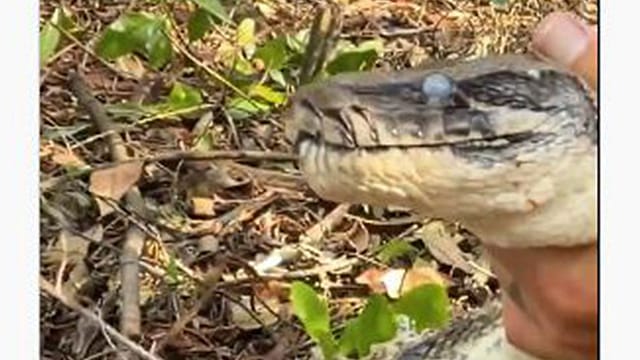
1. Why are Florida’s pythons in the news?
Governor Ron DeSantis backed their removal in an October 30 post responding to wildlife trapper ‘Python Cowboy’. The trapper shared footage of an otter and said native mammals were returning to areas where his team had removed invasive pythons.
2. How did an Asian snake reach Florida?
The pet trade brought Burmese pythons to the state. Escapes and deliberate releases introduced them into the wild, where they established breeding populations. South Florida Water Management District says sightings in the Everglades date to the 1970s. A species transported beyond its natural range can become invasive when it spreads and causes harm.
3. Why are they so destructive there?
These large constrictors eat native mammals, birds and reptiles, including alligators. Their predation changes food webs and reduces prey available to native predators. US wildlife authorities also identify another threat: pythons introduced an Asian lung parasite that now infects native snakes.
4. How strong is the evidence of damage?
A 2015 experiment found that pythons caused 77% of recorded deaths among marsh rabbits moved into Everglades National Park. A separate 2012 study documented a 99.3% decline in raccoon sightings on road surveys. That figure measures observation frequency, rather than a census of every raccoon.

The Era of Forever Wars
30 Oct 2026 - Vol 05 | Issue 44
Coping with an explosive Middle East
5. Why does Florida pay python hunters?
The removal programme aims to reduce predation on native wildlife. Selected contractors receive location-based hourly pay plus incentives: $50 for a python up to four feet long, with another $25 for each additional foot. A verified active nest brings a $200 payment.
6. Can hunters eliminate every python?
USGS considers complete eradication unlikely because the snakes occupy such a large area. Camouflage and elusive behaviour make detection difficult, and scientists still lack a reliable population estimate. Researchers are testing approaches including tracking ‘scout’ snakes and detecting python DNA in the environment.
7. Is native wildlife coming back?
The trapper reports more otters and other mammals in targeted removal areas. Those observations are encouraging, but measuring recovery requires repeated surveys across treated and comparison sites. Researchers are still evaluating how effectively removals reduce python populations. One otter video cannot establish recovery across the Everglades.