Nepal General Election: Kathmandu’s clean sweep
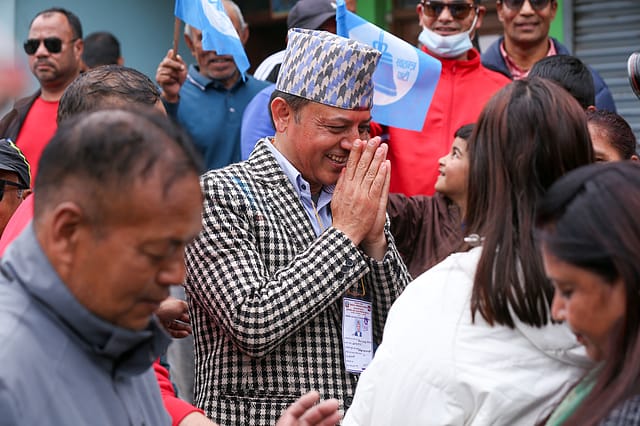
Nepal’s latest general election has delivered what may prove the most dramatic political upheaval since the abolition of the monarchy in 2008. Voters have handed a sweeping victory to the insurgent Rastriya Swatantra Party (RSP), led by the charismatic former rapper and Kathmandu mayor Balendra “Balen” Shah, crushing the old establishment that dominated the country for decades.
The scale of the shift is remarkable. Results suggest the RSP captured roughly 125 of the 165 directly elected seats in parliament, leaving the once-dominant Nepali Congress and the Communist Party of Nepal (UML) with only a handful of constituencies between them. The outcome reflects a wave of anger that has been building for years, directed at corruption, political horse-trading and the chronic instability that has produced more than a dozen governments in two decades.
Shah’s ascent is inseparable from the youth-led protests that rocked the country last year and forced the resignation of the previous government. Those demonstrations crystallised the frustrations of a generation that feels locked out of opportunity in a country where millions survive on remittances sent by migrant workers abroad. The RSP’s promise of technocratic governance, digital transparency and an assault on corruption proved irresistible to urban voters and younger Nepalis.
Yet winning an election is easier than governing Nepal. Shah now inherits a fragile economy, heavy dependence on remittances, and a state apparatus riddled with patronage networks built by the very parties he has displaced. Delivering administrative reform will require cooperation from bureaucracies and provincial governments that remain partly loyal to the old guard.

The Second Life of Sanskrit
10 Jul 2026 - Vol 05 | Issue 28
Being classical has become cool
Foreign policy presents another delicate test. Nepal sits uneasily between India and China, both of which view the Himalayan republic as strategically sensitive. Previous governments balanced the two powers while cautiously engaging Western donors and infrastructure initiatives. A new leadership promising clean governance and economic reform may seek greater foreign investment, but it will have to do so without appearing to tilt too sharply toward either neighbour.
For now, Nepal’s voters have issued a clear verdict that they are tired of the old political script. The country’s new rulers have been propelled to power by a rare surge of hope. The challenge, as ever in Nepali politics, will be to keep that hope alive once the hard work of governing begins.