Late Night Snacking: Bad Habit or Sleep Aid?
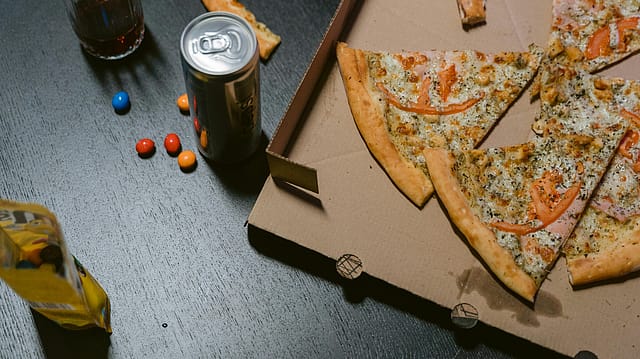
Late night snacking is one of the most common eating habits across the world, yet it remains one of the least studied.
For years, research has highlighted its role as a risk factor for weight gain, but what is now becoming increasingly clear is its more immediate impact on sleep.
The type of food consumed, the timing of the snack, and the underlying reasons for nighttime hunger appear to be far more important than the simple act of eating after hours.

Rise of the Pivotal Power
18 Sep 2026 - Vol 05 | Issue 38
The BRICS declaration is a strategic victory for Modi
Nutrition experts and recent scientific studies are shedding light on these nuances.
What Does Late Night Snacking Actually Do to the Body?
The human body follows a circadian rhythm that naturally increases melatonin levels at night while simultaneously reducing insulin production.
This slows metabolism as the body prepares for rest. When melatonin rises, the pancreas releases less insulin, making it harder for the body to process glucose efficiently.
Eating carbohydrate-heavy snacks during this period creates what researchers describe as an insulin–melatonin conflict, which can result in elevated nighttime blood sugar levels that are higher than normal and potentially harmful over time.
What Are the Real Causes of Late Night Hunger?
Not all hunger experienced late at night is physical. Often, nighttime cravings are habitual, triggered by activities such as watching television or scrolling through a phone rather than genuine physiological need.
Exposure to blue light in the evenings suppresses melatonin and increases the hormones cortisol and ghrelin, which in turn trigger cravings even when the body does not require food.
Dietitians have begun to refer to this phenomenon as digital hunger, where screen time at night nudges the brain toward eating cues and keeps the body awake longer than necessary.
Does Late Night Snacking Disrupt Sleep?
The connection between late night snacking and sleep disruption is well established, and the relationship is bidirectional.
Maintaining a balanced diet enhances both the quality and duration of sleep, while sufficient sleep helps regulate hunger hormones at night and improves overall diet quality.
Consuming heavy meals close to bedtime forces the digestive system to remain active when it should be winding down, delaying the onset of sleep and reducing its restorative depth.
Can the Right Snack Actually Help You Sleep?
Not all late night snacks are harmful, and a small, nutrient-dense option under 200 calories can even support sleep, particularly for individuals who eat dinner early and go to bed late.
Foods that contain tryptophan, such as nuts, seeds, and plain yogurt, aid in the natural production of melatonin and serotonin.
Tart cherries, which naturally contain melatonin, have also demonstrated measurable benefits for sleep in multiple studies.
Does Late Night Snacking Cause Weight Gain?
Nighttime eating does carry metabolic risks. Insulin resistance tends to increase at night, which means extra calories are more likely to be stored as fat.
A prospective cohort study published in ScienceDirect found that regular late night snacking was associated with a twenty percent higher risk of developing obesity over a three-and-a-half-year period, underscoring the long-term implications of this habit.
What Foods Work Best for Managing Nighttime Cravings?
When it comes to managing late night hunger, low-calorie, nutrient-rich foods are the safest choice.
While tart cherries are widely recognized as a natural sleep aid, research published in Frontiers in Nutrition highlights the benefits of kiwifruit.
Consuming two kiwis one hour before bed has been shown to improve sleep onset and duration, likely due to their high content of serotonin precursors and antioxidants that help reduce nighttime inflammation.
What Is the Recommended Gap Between Eating and Sleeping?
A study conducted in February 2026 by Northwestern University found that avoiding food for at least three hours before bedtime led to measurable improvements in both heart and metabolic health markers.
Understanding the underlying causes of nighttime hunger can help individuals break the cycle of late night snacking before it begins.
So Does Late Night Snacking Help or Harm Sleep?
The evidence is clear that heavy, irregular, or ultra-processed late night snacking consistently disrupts sleep and increases metabolic risk.
By contrast, a small, nutrient-dense snack consumed well before bedtime is unlikely to cause harm and may even support sleep onset.
Addressing the root causes of nighttime cravings, whether through better sleep habits, earlier dinners, or smarter food choices, remains the most effective strategy for maintaining both health and rest.
(With inputs from yMedia)