Global Food Prices May Spike as El Nino and Hormuz Risks Grow: Citi Research
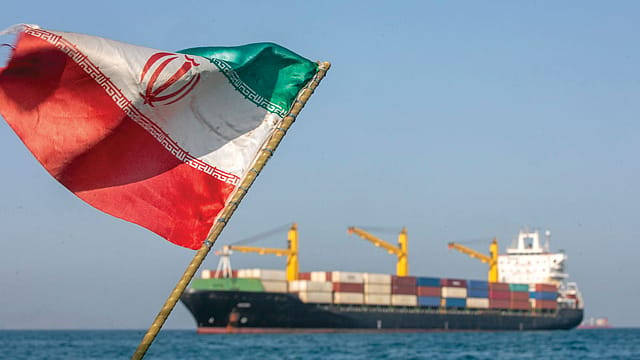
A fresh wave of global food inflation could be building as climate risks and geopolitical tensions threaten agricultural supply chains worldwide. According to a new report by Citigroup’s Citi Research, rising risks linked to El Nino weather conditions and possible disruption in the Strait of Hormuz may push agricultural commodity prices significantly higher over the next six to twelve months.
The warning comes at a time when global commodity markets are already dealing with volatility driven by tensions in West Asia, uncertain energy supplies and fragile trade routes. Citi Research said agricultural markets are especially vulnerable because food production depends heavily on stable energy supplies, fertilisers and favourable weather conditions.

Rise of the Pivotal Power
18 Sep 2026 - Vol 05 | Issue 38
The BRICS declaration is a strategic victory for Modi
“Agriculture price risks are heavily skewed to the upside over the next 6-12 months, as they face major supply risks resulting from a potential prolonged closure of the Strait of Hormuz, and from likely poor weather related to El Nino,” Citi Research said in its Commodities Outlook report.
Why does the Strait of Hormuz matter for global food prices?
The Strait of Hormuz is one of the world’s most critical shipping routes for oil and energy exports. Any prolonged disruption there could trigger a sharp rise in global energy prices, which would directly affect agricultural production costs.
According to Citi Research, farming operations worldwide rely heavily on fuel, fertilisers and chemical crop protection products derived from fossil fuels. If oil supplies tighten and prices rise, food production costs could increase substantially.
“A prolonged SoH closure would drive up the cost of agriculture production (via higher energy prices), reduce crop yields/output (owing to lower fertiliser and lower crop protection from oil based fungicides and pesticide availability),” the report added.
The report further noted that higher fossil fuel prices could also encourage greater use of agricultural commodities in biofuel production. That would divert crops away from food supply chains and create additional upward pressure on food prices globally.
How could El Nino worsen the global food situation?
Alongside geopolitical concerns, Citi Research highlighted weather disruptions linked to El Nino as another major threat to food security and agricultural output.
El Nino is a climate pattern associated with hotter temperatures and reduced rainfall in several parts of Asia and other agricultural regions. Such conditions can damage crops, reduce yields and tighten global food supplies.
The report said commodities such as sugar, cocoa and coffee are among the most exposed to weather-related risks from El Nino as well as supply disruptions caused by rising energy prices.
Citi Research warned that lower rainfall and hotter weather across key farming regions could significantly weaken agricultural production in the coming months, adding further stress to already strained food markets.
Are food prices already rising globally?
Citi Research said signs of inflationary pressure are already visible across global agricultural markets.
“Food prices are rising, with traded agricultural prices up 13 per cent year-to-date through mid-May,” the report said.
The report also noted that broader food indices had already increased by 5 per cent through April this year, signalling that food inflation pressures are gradually intensifying worldwide.
The warning from Citi Research comes amid continued concerns over supply chain disruptions, volatile commodity markets and geopolitical instability affecting both energy and food trade globally.
(With inputs from ANI)